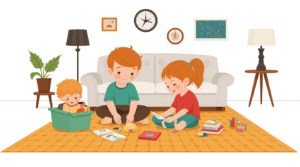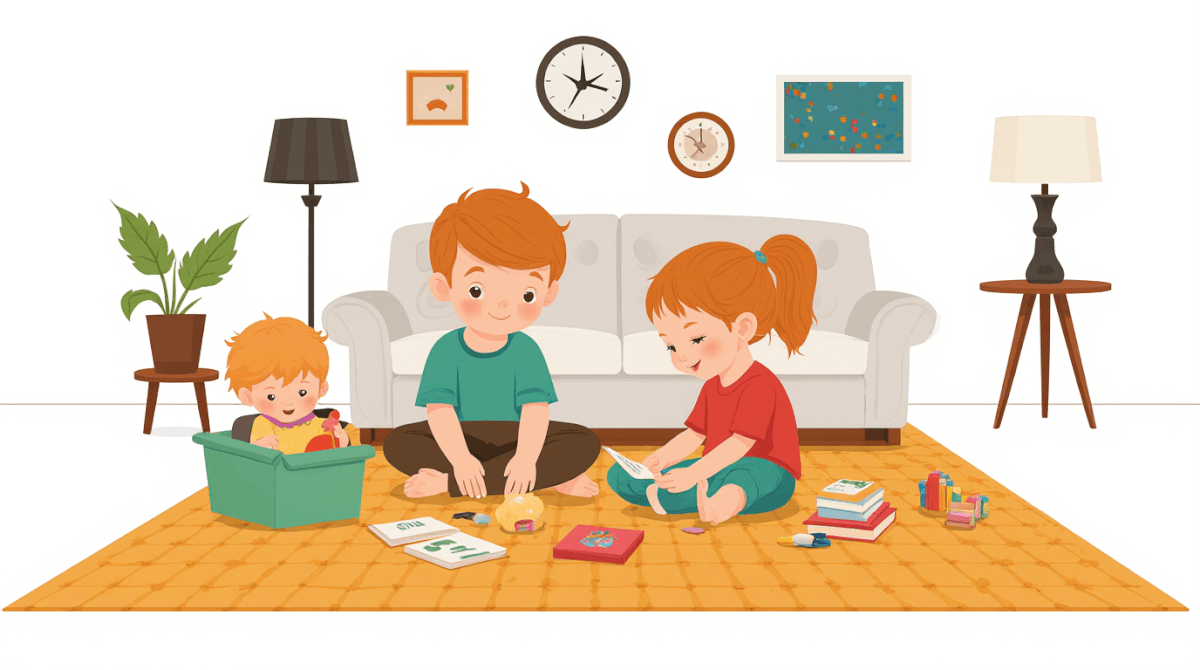
Childhood is a dynamic landscape where the seeds of leadership are sown, often through subtle, everyday interactions that shape a child’s emotional security, confidence, identity, and self-regulation. The formation of these foundational elements occurs within the intricate web of family dynamics, cultural expectations, and social contexts. Each interaction, whether it be a gentle encouragement or a more guarded support, contributes to the overall trajectory of a child’s development.
At the heart of this process lies the concept of emotional security. A child’s ability to form secure attachments with caregivers is crucial for their sense of safety and trust in the world. When a parent consistently responds to a child’s needs with sensitivity and affection, the child begins to internalize the understanding that they are valued and loved. This internalization fosters a secure base from which the child can explore the world with confidence and curiosity. Over time, as this emotional security is reinforced through various experiences—such as helping out with chores or making decisions about daily activities—the child starts to develop a belief in their own competence and worth.
This sense of competence, coupled with emotional security, lays the groundwork for the child’s burgeoning self-regulation skills. Self-regulation involves the ability to manage emotions, focus attention, and inhibit impulses. A child who has experienced consistent support and guidance from caregivers learns how to navigate challenging situations by drawing on these internalized skills. When faced with a difficult task, such as packing their school bag, a child with strong self-regulation might break down the task into smaller, manageable steps, thereby reducing the feeling of overwhelm. Such experiences gradually build the resilience and determination necessary for leadership.
Confidence is another crucial element in the development of leadership qualities. Confidence emerges from repeated successes and the encouragement to take on new challenges. In family settings, this can be seen through a parent’s praise for a child’s efforts, whether it’s helping set the table or participating in a family game. Such affirmations reinforce the belief that the child is capable and valued. Over time, these experiences accumulate, reinforcing a positive self-image and a willingness to take risks and try new things. A child who is encouraged to lead in family discussions or to make decisions about small matters like choosing which book to read at bedtime begins to internalize a sense of leadership.
Identity, too, plays a pivotal role in the development of leadership. As children navigate their roles within the family and broader social contexts, they start to develop a sense of self that is influenced by both individual experiences and collective family narratives. Family stories, traditions, and values provide a framework through which a child can understand their place in the world. A family that emphasizes the importance of community service may instill in its children a sense of responsibility and a desire to contribute positively to society. Such shared values create a sense of belonging and purpose, which are foundational for leadership.
The journey to becoming a leader is not without its challenges. The tension between support and overprotection can significantly impact a child’s development. While supportive parenting is essential for building emotional security and self-regulation, excessive protection can stifle a child’s autonomy and resilience. Overprotective parents might shield their children from all difficulties, creating an environment where the child never truly faces challenges. This can lead to a lack of confidence and a sense of helplessness when faced with real-world problems. While a more laissez-faire approach can foster independence, it may result in a lack of guidance and the inability to navigate complex situations.
Balancing these dynamics is crucial. Parents who provide appropriate levels of support—encouraging their children to take risks and face challenges while also offering comfort and guidance when needed—help their children develop a robust sense of self and the skills necessary for leadership. A parent might allow a child to handle a small crisis, such as a broken toy, by offering advice on how to manage the situation without fully solving it themselves. This approach encourages the child to think critically and take initiative, key components of effective leadership.
In addition to family dynamics, cultural expectations and social contexts also play significant roles in shaping a child’s sense of leadership. Cultural norms around authority, cooperation, and individualism can influence how children perceive their role within society. In collectivist cultures where group harmony is highly valued, a child might learn early on the importance of collaboration and consensus-building. In individualist cultures, where personal achievement is often celebrated, a child might develop a stronger sense of autonomy and independence. These cultural influences can either support or challenge a child’s emerging leadership qualities, depending on whether they align with the broader societal values.
The seeds of leadership, then, are not planted in isolation but grow from the complex interplay of emotional security, confidence, identity, and self-regulation within the family and larger social contexts. Each interaction, whether positive or challenging, contributes to the child’s developing sense of self and capability. As these elements accumulate over time, they gradually shape a child’s path toward becoming a leader—someone who can navigate challenges, inspire others, and contribute meaningfully to their community.
The development of leadership is a multifaceted process that begins in childhood, rooted in the everyday interactions and experiences within the family. These interactions, whether nurturing or challenging, gradually build the emotional, psychological, and social foundations necessary for leadership.