
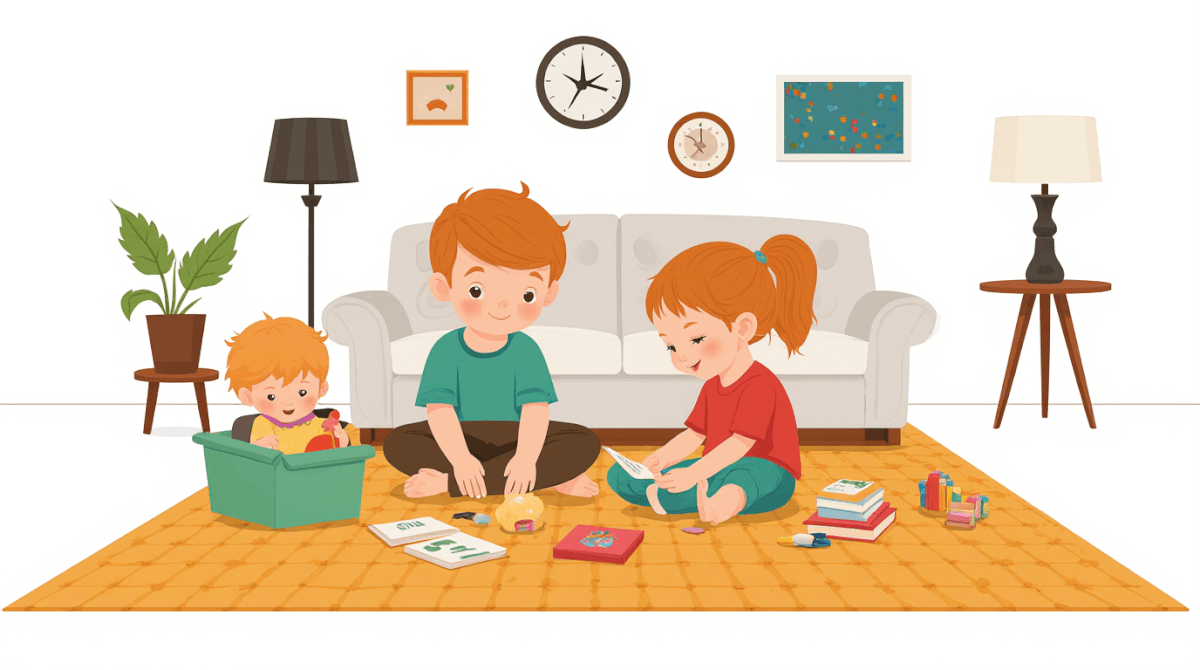
Early independence plays a crucial role in shaping a child’s self-confidence, a process that unfolds through gradual, everyday interactions within the family environment. As young individuals navigate their world, they encounter challenges and opportunities for autonomy that are fundamental to developing a sense of self-reliance and trust in their abilities. This reflection delves into the psychological mechanisms that underpin how early independence fosters self-confidence, exploring the nuanced interplay between support and boundaries, and how these dynamics contribute to a child’s emotional security and identity.
At its core, self-confidence arises from the belief in one’s capabilities to handle tasks and navigate challenges effectively. In the family setting, children begin to internalize this belief through experiences that encourage them to take on responsibilities and make decisions independently. A three-year-old who is allowed to choose their own clothes or select what book they want to read can start to see themselves as capable of making choices. This sense of agency, though simple in its daily manifestation, lays the groundwork for broader self-assurance.
The psychological mechanism at play here involves the child’s developing sense of control over their environment. When a child experiences the satisfaction of choosing what to wear or deciding on an activity, they are engaging in what psychologists call “autonomy support.” This process fosters a positive association with decision-making, reinforcing the notion that their choices matter and have consequences. Over time, such experiences accumulate, contributing to the child’s growing confidence in their ability to make informed decisions.
Early independence is not merely about external actions; it also involves internal emotional processes. As children face challenges and successfully navigate them, they experience a boost in self-esteem. This is particularly evident when a child completes a task without constant adult intervention. A six-year-old who can tie their own shoelaces without being prompted will likely feel a sense of pride and competence. This emotional boost is internalized as a positive self-image, further enhancing their self-confidence.
The journey to self-confidence is not without its challenges. Parents often find themselves caught between offering support and setting boundaries. While a certain degree of independence is crucial, overprotection can undermine a child’s sense of capability. A child who is repeatedly told what to do and how to do it may struggle to develop the confidence needed to tackle new tasks independently. The balance lies in providing a supportive yet appropriately challenging environment where children can experiment and learn from their mistakes.
This dynamic between support and independence is crucial for emotional security. When children receive consistent, empathetic support that respects their growing autonomy, they build a foundation of trust within themselves. This internal security serves as a buffer against future challenges, enabling the child to approach new situations with confidence rather than anxiety. Excessive control or neglect can lead to a sense of vulnerability, undermining the child’s belief in their ability to handle life’s uncertainties.
Repetitive patterns of interaction further reinforce these psychological mechanisms. Every time a child faces a decision and makes it successfully, they are not only practicing autonomy but also internalizing the notion that they can trust their own judgment. Over time, these repeated experiences contribute to a cumulative effect, where the child builds a robust sense of self-reliance. This is particularly true in contexts where the support offered is attuned to the child’s developmental stage and readiness.
Consider a scenario where a pre-schooler is given a small amount of responsibility, such as helping to set the table or water plants. Initially, they may require some assistance, but with each successful attempt, they are gradually encouraged to take on more tasks independently. This process of increasing autonomy, coupled with supportive feedback, helps the child develop a sense of mastery over their environment. The internalization of this experience is crucial; it translates into a belief that one can handle challenges, leading to increased self-confidence.
Tension between support and overprotection can arise when parents are overly involved in every aspect of a child’s life, perhaps out of fear or a desire to control outcomes. While well-intentioned, such behavior can hinder the child’s natural development of self-reliance. A parent who constantly dictates what chores a child should do and how they should be done may inadvertently foster a sense of dependency rather than independence. Over time, this can lead to a child who is unsure of their own abilities, struggling with tasks that other children of the same age handle with ease.
A balanced approach where parents provide necessary support while encouraging decision-making and problem-solving empowers children to develop confidence in their capabilities. This balance is evident in situations where a child is allowed to make choices within a safe framework. If a child is given a selection of snacks or asked to pick a book for bedtime, they are engaging in decision-making that contributes to their sense of autonomy. The parent’s role here is not merely to ensure the child makes “correct” choices but to support them through the process and validate their decisions.
The impact of these experiences extends beyond immediate tasks and spills into broader aspects of self-confidence. Children who grow up in environments that consistently support their independence are more likely to approach future challenges with a sense of resilience and optimism. This is because they have internalized a narrative of capability, reinforcing their belief that they can handle life’s ups and downs.
The development of self-regulation, another critical component of self-confidence, is closely linked to early independence. Self-regulation involves the ability to manage one’s emotions and behaviors effectively, a skill that is honed through experiences of making choices and facing consequences. A child who learns to tidy their room without constant nagging develops not only organizational skills but also a sense of self-discipline. This internal regulation, built through repeated successful experiences, contributes to a broader sense of self-control and emotional stability.
The gradual process of developing self-confidence through early independence is a complex interplay of psychological mechanisms shaped by family interactions. The child’s growing sense of autonomy, the emotional security that comes from consistent support, and the internalization of capability all contribute to building a robust foundation of self-reliance. While challenges arise in striking the right balance between support and independence, the overall effect is a child who approaches life with confidence and resilience, equipped to handle future challenges with a solid sense of self.
Related Reading
– Lawrence Kohlberg — Essays on Moral Development
– Donald Winnicott — Playing and Reality



