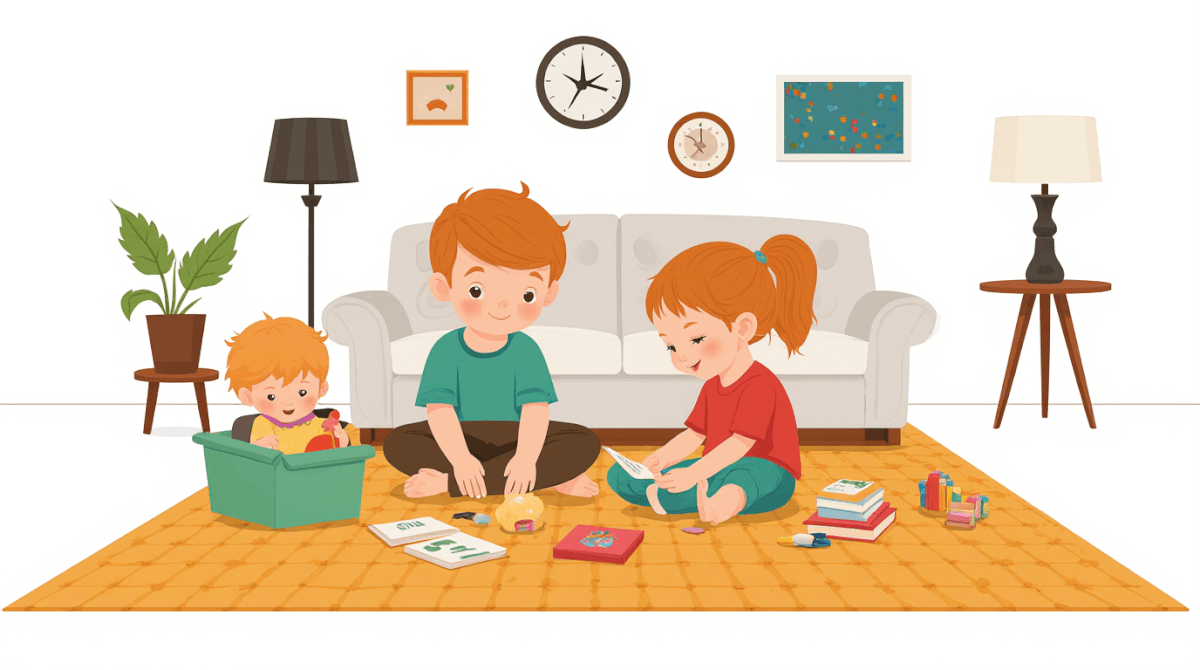
In a quiet living room, a young girl named Ava is engrossed in a puzzle, her small fingers working diligently to fit the pieces into place. Her father watches from the couch, occasionally offering a glance of approval or a gentle suggestion without direct intervention. This simple moment encapsulates an ongoing process that shapes Ava’s emotional landscape and future resilience. The way her father manages his emotions during this interaction—neither smothering nor indifferent—begins to lay down the foundation for Ava’s ability to navigate her own feelings and experiences.
The concept of emotional containment refers to the ability to regulate and manage one’s emotions in a way that is adaptive and healthy. For children, this skill is crucial in developing self-regulation, confidence, and a secure sense of identity. As Ava’s father gently redirects her attention or validates her efforts without overwhelming her, he is teaching her how to handle frustration and disappointment. Over time, these interactions become part of a larger pattern that Ava internalizes, shaping her perception of herself and the world around her.
Emotional containment operates through a series of subtle yet powerful mechanisms. Initially, it involves the caregiver’s ability to remain emotionally present without becoming overly absorbed in their child’s emotional state. This balance is crucial because when parents are overly responsive or intrusive, they can inadvertently send mixed signals about how emotions should be expressed and managed. If parents are too distant, children may struggle to understand their own emotional needs and boundaries.
In Ava’s case, her father’s non-intrusive presence encourages her to explore her environment independently. When she gets stuck on a particularly challenging piece of the puzzle, he offers a moment of silence before gently suggesting a strategy. This approach teaches Ava that it is acceptable and sometimes necessary to experience difficulty and seek solutions. It also helps her develop the ability to tolerate frustration without becoming overwhelmed, a key component in emotional resilience.
The father’s willingness to acknowledge Ava’s efforts, even when the outcome isn’t perfect, reinforces her sense of competence and self-worth. This validation is not simply about praising her achievements but about affirming her intrinsic value as a person, which can be deeply impactful. By recognizing her struggle and then offering a supportive perspective, the father helps Ava internalize the message that she has the capacity to overcome obstacles.
This process of emotional regulation does not happen overnight; it is the cumulative effect of countless such interactions over time. Each moment spent in this manner contributes to the development of internal resources, such as the ability to self-soothe and reflect on one’s emotions. As Ava grows, she begins to apply these skills in other areas of her life, such as academic challenges or social interactions. The lessons learned from emotional containment are not just about handling immediate feelings but about building a repertoire of coping strategies that can be drawn upon in future situations.
The balance between support and independence is a delicate one. Too much protection can stifle a child’s natural curiosity and problem-solving skills, while too little can leave them feeling unsupported and overwhelmed. Ava’s father strikes a balance by providing the right level of assistance at the right time. When Ava encounters a particularly difficult puzzle piece, he might suggest a strategy but does not physically manipulate the piece for her. This approach teaches her that seeking help is a valid and beneficial process, but ultimately she must find solutions on her own.
Over time, this type of interaction accumulates into a broader pattern of emotional management. Ava learns to identify and label her emotions, understanding that feelings are normal and can be addressed constructively. The ability to recognize and articulate emotions is crucial in forming healthy relationships with others, as it allows for open communication and empathy. By navigating these early interactions, Ava begins to develop a secure base from which she can explore the world with confidence.
The impact of such early experiences extends beyond emotional regulation. Emotional containment also influences identity formation. As Ava internalizes the messages conveyed through her father’s interactions—messages of self-worth, competence, and resilience—she starts to develop a positive sense of self. This internalized sense of value contributes to her overall self-esteem, making her more likely to engage in activities and pursue goals with enthusiasm and determination.
Emotional containment fosters the development of social skills. By learning to manage her own emotions, Ava becomes better equipped to understand and respond appropriately to the emotions of others. This social-emotional intelligence is vital for building and maintaining relationships. When Ava encounters a peer who is upset during recess, she is more likely to approach the situation with empathy and understanding, rather than simply withdrawing or becoming overwhelmed herself.
The long-term benefits of emotional containment are not limited to individual development but extend to broader aspects of society. Children who grow up with the ability to regulate their emotions tend to become more cooperative and empathetic members of their communities. They are better equipped to handle stress and conflict in a constructive manner, contributing to a more harmonious social environment.
The process of emotional containment is a complex yet essential aspect of child development. It involves the careful balance between support and independence, teaching children how to navigate their emotions and develop resilience. Through everyday interactions like those observed in Ava’s living room, caregivers can lay the groundwork for future strength, empowering children to face challenges with confidence and compassion.