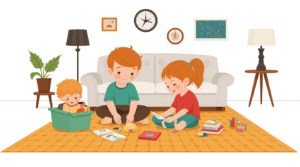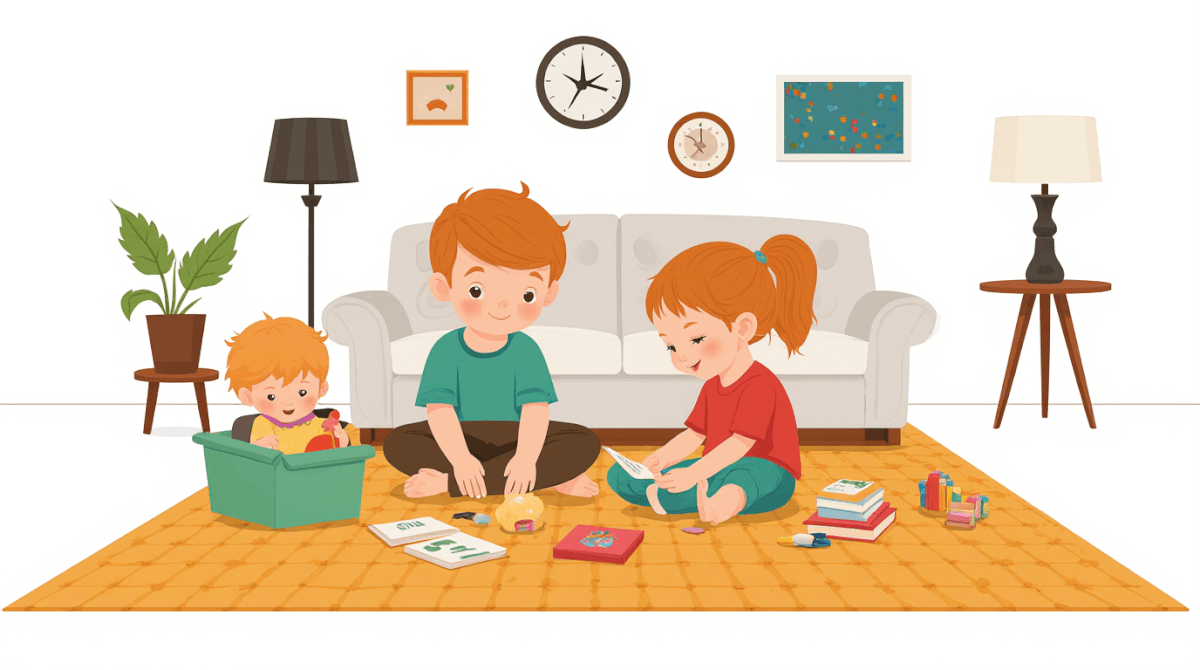
Childhood is a period of profound transformation, during which the sense of personal agency begins to take shape. This development is not merely about understanding one’s ability to make choices; it is intricately linked with the emotional security, confidence, identity, and self-regulation that form the foundation for future growth and resilience. As children navigate their world through everyday family interactions, they are subtly influenced by the way these interactions are structured and supported. These subtle yet cumulative effects shape their internal landscapes, influencing how they perceive themselves and their capacity to influence events around them.
At the heart of this developmental process is the concept of agency—the belief that one’s actions have meaningful impact on outcomes. In families, children often experience agency through small, repeated interactions where they are given opportunities to make choices. A child who can select what to wear or what to eat from a limited range of options begins to understand that their preferences matter and that they can influence daily decisions. Such experiences gradually build a sense of control and mastery, essential components of personal agency.
The impact of such interactions is not uniform. The way parents or caregivers respond to children’s attempts at agency can significantly shape their developing self-concept. If parents provide consistent support and validation for the child’s choices, the child learns that their efforts are worthwhile and appreciated. This positive reinforcement fosters a secure base from which the child can explore the world with confidence. If a parent is overly controlling or dismissive of the child’s desires, the child may internalize a belief that their actions have little effect on outcomes, thereby diminishing their sense of agency.
The emotional security derived from consistent support and validation plays a crucial role in this process. When children feel understood and respected, they are more likely to engage in behaviors that promote self-efficacy. If a parent responds warmly to a child’s request to help set the table, the child may feel a sense of competence and value. Over time, these interactions reinforce the belief that their contributions are meaningful, contributing to a robust sense of personal agency.
Identity formation also intertwines with the development of personal agency. As children explore their world through interactions, they begin to construct a self-image based on how they perceive themselves as actors within it. This process is influenced by both internal factors (such as personality and temperament) and external factors (like parental support and societal expectations). A child who is encouraged to express their creativity in art or music may develop a sense of identity as someone with unique talents and abilities. A child who is frequently told they are “no good” at certain activities may internalize a limiting belief about their capabilities.
The relationship between personal agency and self-regulation is particularly important. Children with a strong sense of agency tend to exhibit better self-regulatory behaviors. This is because the feeling of control encourages them to set goals, persist through challenges, and manage their emotions effectively. A child who has been allowed to plan their playtime or solve a puzzle independently may learn to apply similar strategies when facing academic or social challenges. They develop a sense that they are capable of navigating various situations with confidence and resilience.
Yet, the journey towards personal agency is not without its complexities. There is often a delicate balance between providing support and overprotection. While too much control can stifle a child’s sense of agency, excessive autonomy can lead to feelings of inadequacy and confusion. Parents and caregivers must navigate this balance carefully, offering guidance while allowing children to make appropriate choices. A parent might set boundaries around safe exploration but encourage the child to decide how to reach a destination, such as choosing a route or mode of transportation. This approach allows the child to experience the consequences of their decisions, fostering a sense of responsibility and self-regulation.
Overprotection, can undermine a child’s ability to develop personal agency. If parents consistently shield children from challenges or make decisions for them, they may inadvertently foster a dependence that hinders self-reliance. Over time, this can lead to a diminished sense of control and confidence. If a parent constantly intervenes when a child encounters a problem, the child may come to believe that solutions are only possible with adult assistance. This can create a cycle where the child relies on external validation and direction for even simple decisions, limiting their ability to develop independent thinking and problem-solving skills.
Environments that encourage exploration and independent decision-making nurture a stronger sense of agency. Children who are allowed to experiment within safe parameters learn to trust their judgment and build resilience. If a child is given permission to explore a new park or interact with unfamiliar peers, they develop the confidence to navigate novel situations independently. These experiences reinforce the belief that they can handle challenges and make informed choices, which is essential for developing a robust sense of personal agency.
The cumulative effect of repeated positive interactions can have profound long-term impacts. Consistent support and validation build a foundation of emotional security that forms the bedrock of personal agency. Children who consistently receive encouragement and recognition for their efforts are more likely to approach new situations with confidence and optimism. This psychological resilience is crucial as they face increasingly complex challenges in adolescence and adulthood.
The development of personal agency is also influenced by cultural and social contexts. Different families and communities have varying expectations and practices that shape how children perceive their roles and responsibilities. In some cultures, there may be a stronger emphasis on collaborative decision-making within the family, which can foster a sense of shared agency among siblings or within extended family networks. Individualistic cultures might encourage children to assert their independence more explicitly, leading to different patterns of self-concept development.
The sense of personal agency develops gradually through a complex interplay of everyday family interactions, emotional security, and identity formation. While the process is rich with potential for growth, it is also fraught with challenges that require careful navigation by both parents and children. By understanding these mechanisms and their cumulative effects, families can create environments that support the development of robust personal agency, fostering confident, resilient, and self-regulated individuals ready to face the complexities of the world.
Related Reading
– Daniel Stern — The Interpersonal World of the Infant
– Daniel Kahneman — Thinking, Fast and Slow (developmental implications)