
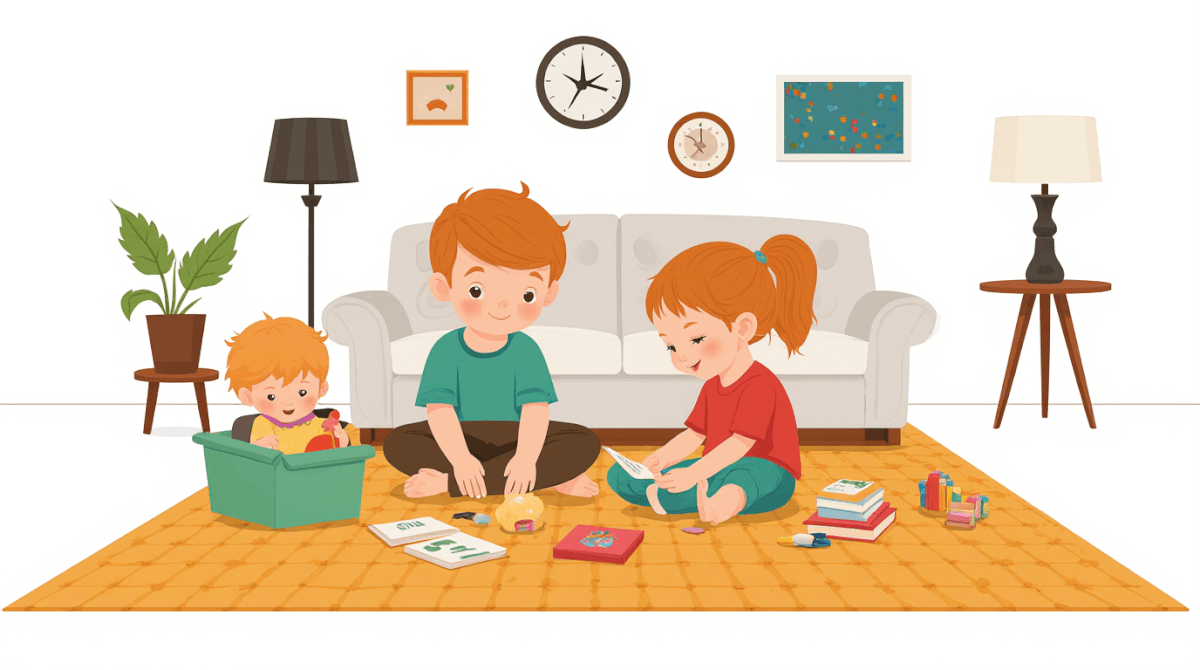
In the early years of childhood, a child’s inner dialogue begins to take shape, gradually weaving together emotional security, confidence, identity, and self-regulation through everyday interactions with family and the broader social world. This process, often subtle and incremental, reflects the dynamic interplay between external experiences and internal psychological processes. As parents engage in daily routines and conversations with their children, they contribute to the formation of a child’s inner voice, which serves as a guide for navigating the complexities of life.
From an early age, children are exposed to the ways adults process emotions and react to various situations. When a child falls while learning to walk, a parent’s response can significantly impact how the child internalizes this experience. If a parent immediately reassures with “It’s okay, you’re strong,” the child might internalize this as a message of resilience. If a parent displays excessive worry or fear, the child may interpret this as an indication of vulnerability. These early experiences form the foundation of what will later be recognized as the inner dialogue.
The inner dialogue plays a crucial role in how children understand themselves and their place in the world. It is through this internalized narrative that they begin to make sense of their emotions, thoughts, and behaviors. When faced with a challenging situation, such as a difficult task at school, a child’s inner dialogue may prompt them to think, “I can do this because I am capable,” or “I should give up because I never succeed.” The content of these internal messages is largely shaped by the language and emotions expressed by those around them, particularly parents.
Over time, as children encounter new situations and experiences, their inner dialogue evolves. This evolution is not a linear process but rather one marked by repeated patterns that accumulate over time. If a child consistently receives positive reinforcement for trying, even when outcomes are uncertain or negative, they may develop an internal voice that encourages persistence and resilience. If a child frequently hears messages of failure or criticism, their inner dialogue might become more negative and discouraging.
The construction of this inner dialogue is not only influenced by the explicit words used but also by the unspoken emotional atmospheres in which children find themselves. A parent who displays warmth and support during challenging moments can provide a reassuring backdrop for the child’s developing inner voice. An overly critical or dismissive environment may lead to a more pessimistic inner dialogue. This dynamic is further complicated by the interplay between different caregivers and environments, as each interaction contributes to the complexity of the inner narrative.
Tension often arises when there is a discrepancy between the explicit messages conveyed and the implicit emotional tone. A parent might try to build a child’s confidence by saying, “You can do this,” but if the underlying tone suggests doubt or anxiety, the child may internalize a more nuanced message of insecurity. This tension between support and overprotection can create a challenging environment for a child’s inner dialogue to develop healthily.
Supportive interactions, where parents offer encouragement and validation, are essential in fostering a positive inner dialogue. These moments provide children with the necessary emotional security to explore their capabilities and develop confidence. It is also important to recognize that overprotection can have detrimental effects. Parents who shield their children from all forms of challenge or failure might inadvertently prevent them from learning essential coping skills and resilience. The balance lies in providing enough support to ensure emotional safety while still allowing for growth through experiences.
Identity formation is another key aspect of the inner dialogue. As children grow, they start to internalize a sense of self that is influenced by their interactions with the world. If a child consistently hears affirmations about their intelligence and creativity, they might develop an identity as someone who is both capable and innovative. If they receive constant messages of inadequacy or low self-worth, they may internalize a more fixed negative identity. These internalized identities significantly impact how children perceive themselves and their place in the world, influencing their choices and behaviors.
Self-regulation, too, is closely tied to the development of an inner dialogue. As children navigate various emotions and situations, they rely on their inner voice to guide them towards appropriate responses. A well-developed inner dialogue can help a child manage anxiety, regulate impulses, and make ethical decisions. When faced with a temptation to cheat, a child with a strong, supportive inner dialogue might think, “If I cheat, it won’t feel right,” while a child with a more negative inner voice might conclude, “It’s okay to cheat if you want something badly enough.” These internal reflections shape the decision-making processes that are crucial for healthy development.
The process of constructing an inner dialogue is ongoing and multifaceted. It involves not only the explicit messages from caregivers but also the implicit emotions and atmospheres present in daily interactions. The content and tone of these internal narratives are shaped by a complex interplay of factors, including the language used, the emotional responses demonstrated, and the broader social and cultural contexts.
As children grow, they continue to refine their inner dialogue through interactions with peers, teachers, and other important figures in their lives. These ongoing interactions provide additional layers of validation or challenge, contributing to the development of a more nuanced and adaptive inner voice. The goal is not merely to develop a positive inner dialogue but to cultivate an inner voice that is resilient, supportive, and empowering.
The construction of an inner dialogue during childhood is a nuanced process shaped by the repeated patterns of interactions and emotional atmospheres. It plays a crucial role in shaping emotional security, confidence, identity, and self-regulation. While tension between support and overprotection can arise, understanding these dynamics helps to create a more balanced and supportive environment for children’s development.



