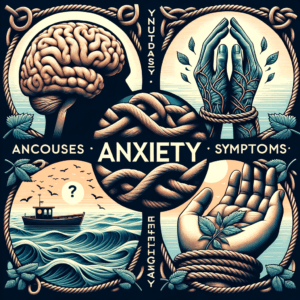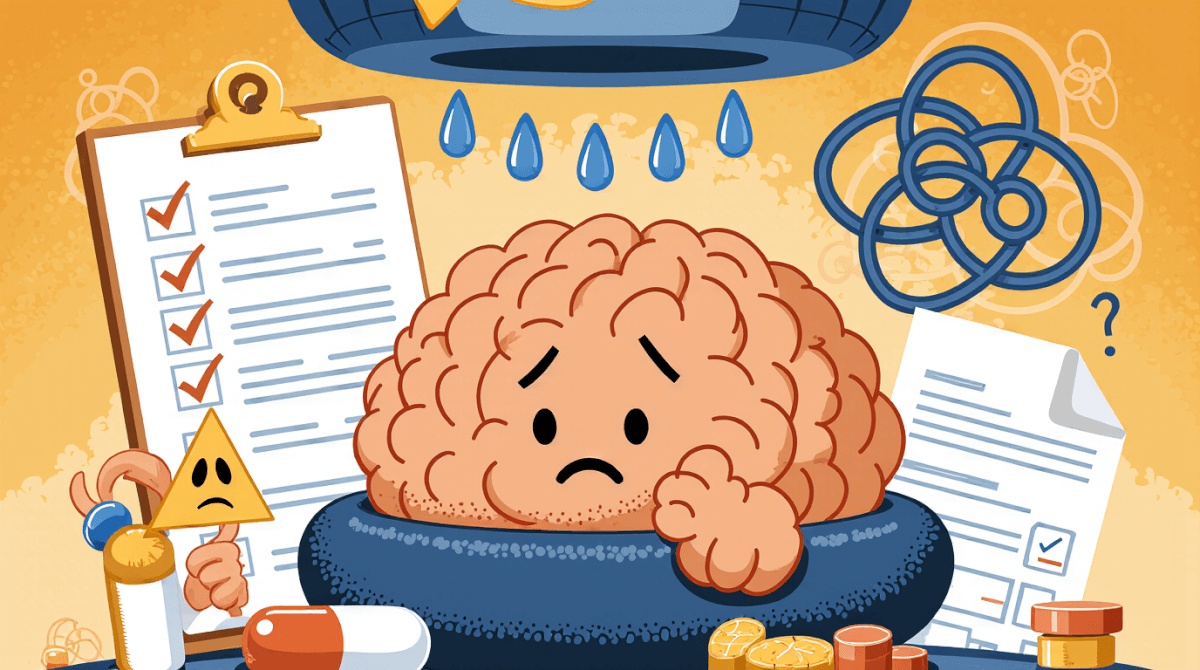
In today’s fast-paced world, the mind is a constant battlefield. Modern life demands attention, yet it often leaves little room for rest and reflection. The relentless flow of information, the ceaseless buzz of social media, and the pressure to perform all contribute to a state of mental overload that can be both exhausting and debilitating. This continuous stimulation not only affects cognitive functions but also deeply impacts emotional well-being and social connections.
The human mind is designed to process and manage a certain amount of external and internal information. In a world where screens never rest and notifications are constant, this natural balance is easily disrupted. Constant exposure to stimuli can fragment attention, making it difficult to focus on one task for an extended period. This fragmentation can be seen in the way people struggle to read an entire article without their minds wandering to other topics. It’s as if the mind is constantly trying to multitask, leading to a state of perpetual distraction.
The effects of such mental overload are far-reaching. Imagine a person who spends several hours a day checking emails and responding to messages. While this might seem productive, it can also lead to cognitive fatigue. The brain, which has finite resources, struggles to handle the constant influx of tasks and decisions, leading to a feeling of being overwhelmed. This mental fatigue can manifest as irritability, forgetfulness, or even physical symptoms like headaches or muscle tension. It is not just about being busy; it’s about the quality of engagement with tasks.
The constant stream of information can lead to emotional neglect. In the hustle and bustle of daily life, it is easy to overlook our own feelings and needs. People may find themselves too busy to pause and reflect on their emotions or to acknowledge their stress. This emotional disconnection can be subtle but profoundly impactful. Without a moment to pause and process, emotions might build up, leading to sudden bursts of anger or sadness that are difficult to manage. The mind becomes a tumultuous sea of unprocessed feelings, without the calmness needed for introspection.
On a social level, this relentless focus on external stimuli can also strain relationships. People might find themselves less present in conversations, more focused on their devices than on their loved ones. This can lead to misunderstandings and feelings of disconnection. During dinner with friends or family, people might be distracted by notifications or messages, leading to a sense of neglect among those around them. Over time, this can erode the quality of these relationships, as shared moments are no longer fully enjoyed.
The need for attention, care, and boundaries in modern life becomes clear when we consider the mechanisms at play. Attention is a finite resource, and just like a muscle, it requires rest to recover its strength. When people do not take time to rest their minds, they may find themselves less able to concentrate, make decisions, or handle stress effectively. Boundaries are essential because they help define what is important and what can be ignored. Setting clear limits on screen time, can free up mental energy that can be directed towards more meaningful activities.
Reflection, too, is crucial. It allows people to step back and consider their lives, their choices, and their feelings. Regular moments of quiet reflection can provide clarity and a sense of purpose. Taking a few minutes each day to write down thoughts or simply sitting in silence can help integrate emotions and experiences into a coherent narrative. This practice fosters self-awareness and emotional intelligence, making it easier to navigate the complexities of life.
The mind needs attention, care, and boundaries because modern life often demands more than it gives back. The constant bombardment of stimuli can fragment attention, neglect emotions, and strain social connections. By recognizing these patterns and taking steps to create mental space, individuals can begin to reclaim their inner peace and enhance their overall well-being. While the path forward may not always be easy, the practice of giving the mind the attention it needs can lead to a more balanced, fulfilling life.