
In the tapestry of a child’s growth, family relationships play a pivotal role, shaping their emotional and psychological landscapes with each thread of interaction. The warmth, consistency, support, and structure that families provide are like the foundational elements that build a sturdy house. They instill a sense of safety, nurture confidence, and help children develop effective emotional regulation skills.
Consider the simple act of a parent cuddling their child, when the child is feeling scared or sad. This act of affection serves as a form of emotional scaffolding, reinforcing the idea that there is a safe space where one can find comfort and solace. Over time, this consistent expression of care builds a strong foundation of trust within the child, making them more resilient to stress and anxiety.
Consistency in family routines also plays a crucial role. Think about a family dinner every Friday night, or a bedtime story routine that ends with “goodnight.” These regular practices create a predictable environment that helps children understand what to expect. This predictability is vital for developing emotional regulation skills. When children know what will happen next, they can manage their emotions better, reducing feelings of unpredictability and fear.
Support within the family extends beyond just providing comfort or routine. It encompasses encouragement, validation, and acceptance. When a child is learning to ride a bike and falls off, a supportive response might be, “Let’s get back on the bike and try again. I believe you can do it.” This type of response teaches the child that mistakes are part of the learning process and that they have the strength and capability to overcome challenges. Such support fosters self-confidence and resilience, equipping children to face future difficulties with a more positive outlook.
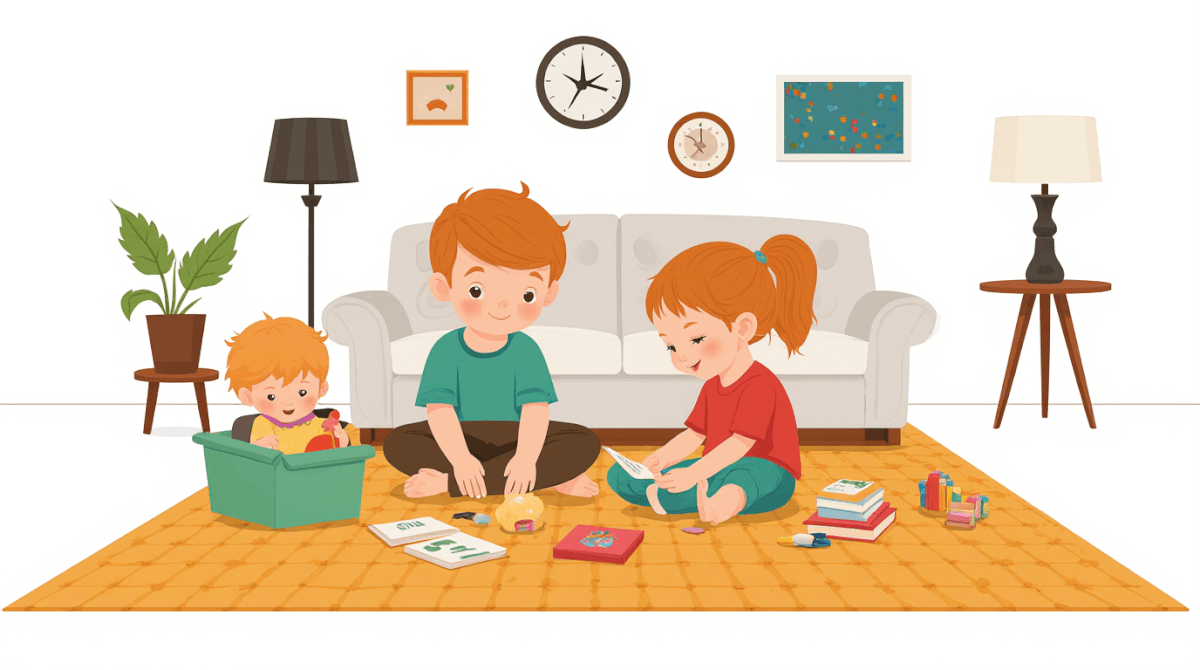
The structure provided by families also includes setting boundaries and expectations. Imagine a scenario where siblings are arguing over a toy. A parent might mediate by suggesting a compromise or teaching them to take turns. This interaction not only resolves the immediate conflict but also models important social skills such as negotiation, empathy, and understanding others’ perspectives. Over time, these interactions help children develop a sense of order and fairness, which are essential for navigating social relationships in broader contexts.
Families serve as the first school of emotional literacy. Parents and caregivers model emotional expressions, helping children recognize and articulate their feelings. If a child is angry because they dropped their ice cream, a parent might say, “I can see you’re really upset. Is it the ice cream that fell?” This response not only validates the child’s feelings but also introduces the language to describe emotions, an essential step in emotional development.
In essence, family relationships are a dynamic interplay of affection, consistency, support, and structure. Each interaction, whether a warm hug, a predictable routine, or a supportive comment, contributes to the child’s emotional and psychological well-being. These interactions teach children about trust, self-regulation, social skills, and emotional intelligence—skills that will serve them throughout their lives.
Reflecting on these elements, it is clear that family relationships are not just about the moments of joy and happiness but also about the everyday interactions that create a nurturing environment. In the quiet moments, in the consistency of routines, and in the warmth of affection, children learn to navigate the complexities of emotions and social interactions. As they grow, these lessons shape their identities and prepare them for the challenges of the world.
Related Reading
– Daniel Kahneman — Thinking, Fast and Slow (developmental implications)
– T. Berry Brazelton — Touchpoints



