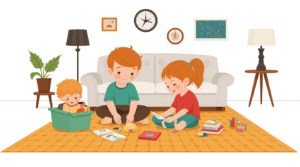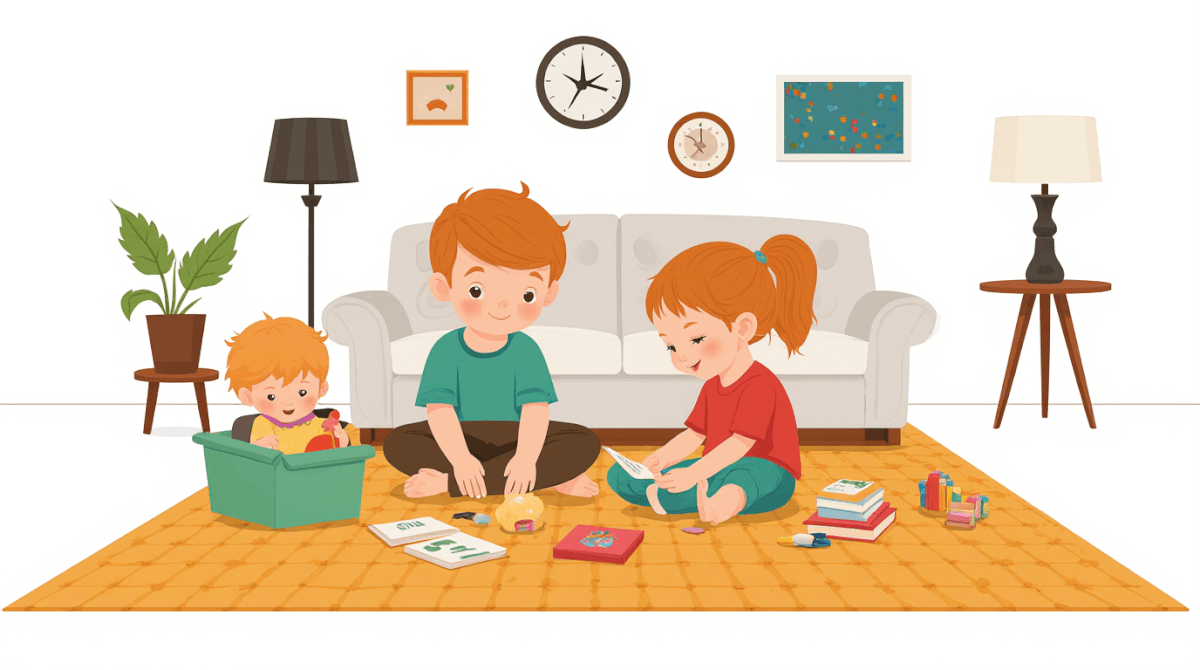
At the heart of every child’s growth is a web of relationships, primarily those within their family. These connections, often woven through everyday interactions, play a pivotal role in shaping a child’s emotional and psychological development. Think about it this way: just as a plant needs sunlight, water, and soil to grow, children need affection, consistency, support, and structure from their families to thrive.
Affection is the first and perhaps most essential thread. When a parent or caregiver shows warmth and affection through hugs, cuddles, and genuine smiles, they are providing the nurturing environment necessary for emotional development. This affection helps a child form a sense of safety and security, laying the foundation for trust in the world around them. A child who feels loved learns that they are valued and have an important place in the family. Imagine a child who is given a warm hug before bedtime every night. Over time, this simple act reinforces the idea that their home is a safe space where they can feel secure and loved.
Consistency is another crucial element. When routines are established and followed, children learn to predict and understand the world around them. This predictability helps in managing emotions and behaviors effectively. If a family follows a set routine for meal times, homework, and bedtime, the child begins to anticipate these moments and can use this predictability to regulate their own actions. Consistency in discipline, too, is vital. When rules are consistently applied, children understand what is expected of them, which aids in building self-discipline and a sense of order.
Support from family members, whether emotional or practical, is another cornerstone of development. A child who receives encouragement when facing challenges learns to persevere and build resilience. If a child is struggling with their schoolwork, a supportive parent might offer help without doing the work for them, thereby fostering independence. Similarly, during times of stress, such as moving to a new home or starting at a new school, a family’s unwavering support can be a beacon of comfort and strength. This emotional support helps children develop the ability to cope with adversity, knowing they have a safety net within their family.
Structure, too, is important for children’s development. Clear expectations and boundaries help children understand the world in a structured way. A structured environment provides a sense of order that allows children to explore their surroundings and learn new things confidently. Having designated times for play, study, and rest can help a child develop a healthy schedule and a sense of responsibility. Structure also helps in teaching children about the value of time and the importance of completing tasks, skills that are essential as they grow older.
The mechanisms by which these elements impact children are quite simple to understand when you observe them in daily life. Affection, strengthens the bond between parent and child, making it easier for the child to express their emotions openly. Consistency ensures that a child’s behavior is aligned with family values, while support helps build self-esteem and confidence. Structure, finally, instills a sense of order that can translate into better organization and time management skills.
Everyday interactions, like mealtimes or bedtime routines, are not just about feeding or resting but are key moments in the developmental journey of a child. During mealtime, sharing stories and engaging in conversation can enhance a child’s communication skills and social understanding. Bedtime stories might build their imagination and vocabulary, while also helping them wind down and prepare for sleep.
It is worth noting that family dynamics can vary widely, influenced by cultural, social, and personal factors. What works well in one family may not be as effective in another. The key is to find what resonates with your own family’s unique needs and dynamics. Some families might thrive on more informal routines, while others prefer strict schedules.
The role of family relationships in a child’s emotional and psychological development cannot be overstated. Through affection, consistency, support, and structure, families provide a nurturing environment that helps children grow into confident, resilient individuals. While every interaction may not be perfect, it is the cumulative effect of these interactions that truly shapes a child’s understanding of the world and their place in it. As you reflect on your own family relationships, consider how you can continue to support and nurture the growth of those closest to you.
Related Reading
– Bruce D. Perry — The Boy Who Was Raised as a Dog
– Daniel Stern — The Interpersonal World of the Infant