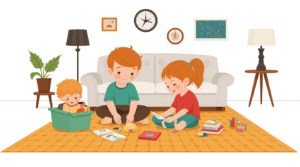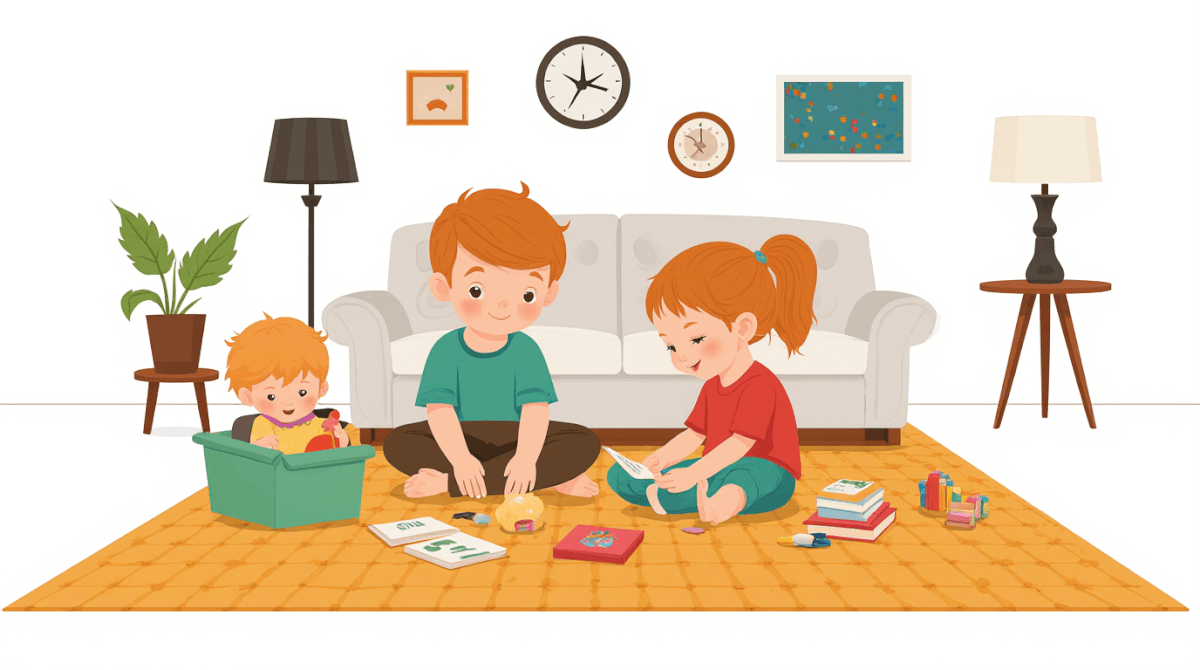
In the tapestry of childhood, family relationships are the threads that weave together a fabric of emotional security and psychological strength. The warmth of a hug, the comfort of a familiar routine, the support of a listening ear—these everyday interactions form the foundation upon which children’s emotional and psychological development is built.
At the heart of this development lies the concept of attachment. A secure attachment fosters a sense of safety and trust within a child, allowing them to explore the world with confidence. Consider the simple routine of bedtime. When a parent reads a story or sings a lullaby every night, they are not just teaching their child how to fall asleep; they are also creating a pattern of consistency that helps the child understand that the world is a predictable and safe place.
Affection plays a crucial role in this process. A child who experiences consistent warmth and love from their caregivers learns to associate positive emotions with close relationships. This can be seen in the way a young child might seek comfort and reassurance when faced with something new or scary, such as a trip to the doctor or a first day of school. The familiarity and safety they feel in the presence of a parent or caregiver provide a buffer against anxiety and fear.
Consistency is another key factor. Children thrive on predictability, which helps them develop a sense of stability. This can be seen in the way they respond positively to routines like meal times, bedtime rituals, and family game nights. When these activities are repeated regularly, children learn to anticipate what will happen next, which reduces stress and anxiety and allows them to focus their energy on learning and growing.
Support is vital for a child’s emotional development. When parents offer encouragement and validation, they help build a child’s self-esteem. A child who feels valued and supported is more likely to take risks and try new things without fear of failure. When a parent praises a child for attempting a difficult task, such as tying their own shoelaces, it reinforces the message that effort and perseverance are important. This can lead to a greater sense of confidence and resilience.
Structure also plays an essential role in a child’s psychological development. A structured environment provides boundaries and guidelines, which help children understand what is expected of them. This can be as simple as setting a regular schedule for homework or playtime. Structure teaches children the importance of order and organization, which are valuable life skills. It also helps them develop a sense of responsibility and accountability.
The power of these elements can be seen in everyday interactions. During a family dinner, the act of sitting down to eat together, sharing stories, and engaging in conversation can foster a sense of belonging and connection. This is especially important for children who may feel isolated or left out. These moments of shared laughter and bonding can have a profound impact on their social skills and emotional well-being.
It’s worth noting that family relationships are not just about the positive aspects; they also influence how children handle challenges and setbacks. When parents model healthy coping mechanisms and provide emotional support during difficult times, children learn to navigate adversity with greater resilience. If a child faces a conflict with a friend, a parent who listens and guides them through the situation can help them develop conflict resolution skills and emotional intelligence.
In essence, the quality of family relationships is a crucial factor in shaping a child’s emotional and psychological development. By fostering an environment of affection, consistency, support, and structure, parents and caregivers create a nurturing space where children can grow into confident, emotionally resilient individuals. These daily interactions are not just moments; they are the building blocks of a child’s future, laying the groundwork for their ability to form meaningful relationships and navigate the complexities of life with grace and strength.