The warmth of a home, the comfort of consistent affection, and the security of supportive boundaries are the building blocks of a child’s emotional and psychological well-being. These elements, woven into the fabric of daily life, shape their capacity for trust, their ability to manage emotions, and their sense of safety in the world.
Imagine a young child, perhaps five or six years old, returning from school. The first thing they encounter is a warm embrace from a parent. This simple act of affection does more than just comfort; it sets the tone for the rest of the day. Over time, this routine helps the child develop a sense of security and belonging. When children experience consistent, unconditional love, their brain begins to form neural pathways that support trust and emotional regulation. The oxytocin released during such interactions also plays a key role in fostering these bonds, which can then influence how they interact with others and handle stress.
Now, consider a different scenario. A child faces a challenge at school—perhaps a difficult math problem or a disagreement with a friend. If the child goes home to a predictable routine, where they are met with understanding, support, and guidance, their ability to manage these emotions improves significantly. The consistency of structure in this context helps them see that problems have solutions and that their feelings are valid. This is crucial for developing resilience. A parent’s active listening, empathy, and practical assistance can transform a moment of frustration into an opportunity for learning and growth. Over time, the child learns to approach challenges with confidence rather than fear.
The role of consistency in family life cannot be overstated. Whether it’s meal times, bedtime routines, or regular family activities, these predictable elements provide a sense of stability. For children, unpredictability can be overwhelming, leading to anxiety and insecurity. Consistency offers a framework within which they can predict outcomes, understand their environment, and feel safe. This predictability is key in developing a secure attachment style—a foundation upon which all other social and emotional competencies are built.
The emotional climate of a home plays a significant role in shaping a child’s internal world. A home where open communication, respect, and honesty prevail creates an environment that encourages children to express themselves freely. When parents model these behaviors, children learn to communicate their feelings effectively. When a child expresses sadness or frustration, a supportive response like, “I can see you’re feeling upset about this,” acknowledges their emotions, validating them without judgment. This validation is crucial for building emotional intelligence and self-awareness.
Supportive boundaries are another critical aspect of family relationships. Boundaries help children understand what is acceptable behavior and provide guidance on how to navigate social interactions respectfully. Teaching a child that hurting others is not okay, or that it’s important to share toys, lays the groundwork for healthy interpersonal relationships. These boundaries are not just about discipline; they are about fostering a sense of responsibility and respect for others. They teach children to consider the impact of their actions on those around them, which is fundamental for developing empathy.
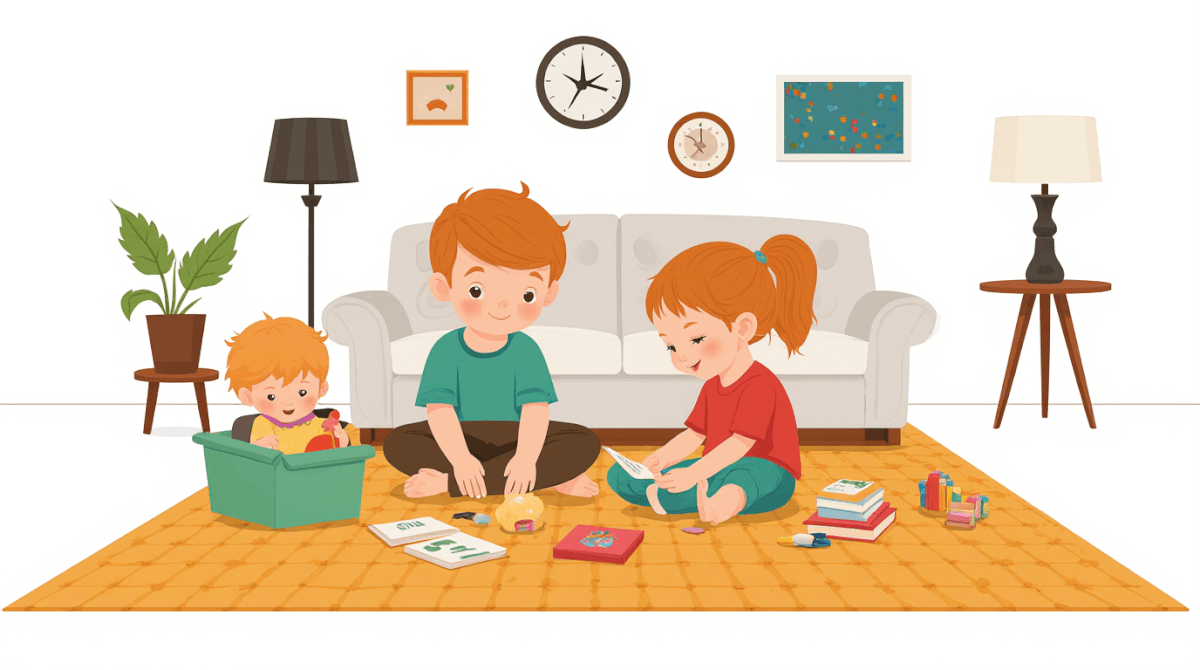
The importance of structure in family life cannot be underestimated either. Regular routines and rituals provide a sense of order and predictability that are essential for emotional well-being. Setting aside time each day for family reading or game nights can strengthen bonds and create positive memories. These activities not only bring the family together but also reinforce the value of teamwork and cooperation.
The everyday interactions within a family, marked by affection, consistency, support, and structure, play a profound role in shaping a child’s emotional and psychological development. These elements help build a secure base from which children can explore the world with confidence and resilience. As parents and caregivers, we have the opportunity to create an environment that nurtures not only physical well-being but also the most precious and intricate aspect of human life—emotional health. By being attentive, consistent, and supportive, we can lay the foundation for a child’s lifelong journey towards emotional maturity and psychological strength.