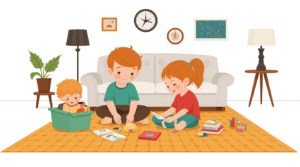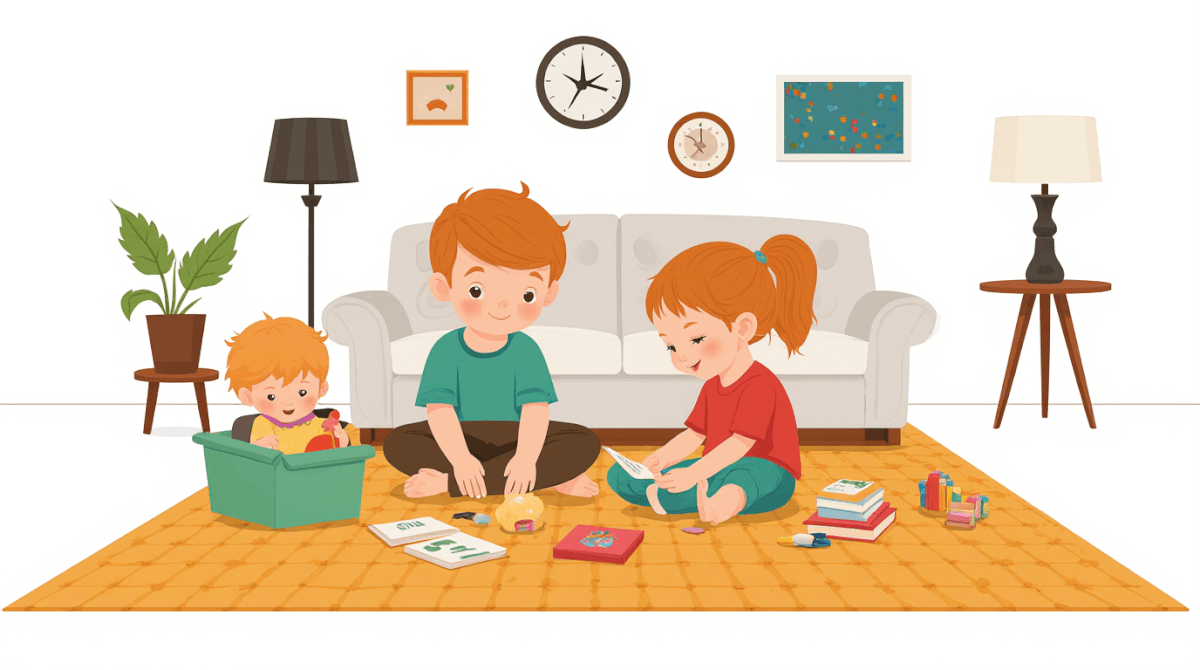
In the quiet corners of our homes, where the scent of home-cooked meals lingers and the laughter of children echoes, we often take for granted the profound impact that family relationships have on our children’s emotional and psychological development. These everyday interactions, from the gentle embrace of a hug to the reassuring presence of a parent, lay the foundation for how our children perceive themselves and the world around them.
Affection, in its many forms—whether it be hugs, cuddles, or kind words—plays a crucial role in fostering a sense of safety and security. When we shower our children with affection, we are essentially telling them that they are loved and valued, regardless of their actions or achievements. This emotional warmth helps build their self-esteem and confidence. Imagine a child who receives a heartfelt hug before bedtime. This simple act sends a powerful message: “You matter.” Over time, this can translate into a child who approaches challenges with resilience and optimism, knowing that they are supported.
Consistency is another key ingredient in a child’s emotional growth. Consistent routines, such as regular meal times, storybook readings, or even a specific bedtime ritual, provide children with a sense of predictability and stability. This predictability allows them to feel secure and reduces anxiety. Picture a family where dinner is always served at six o’clock. The regularity of this activity helps the child understand that there are predictable patterns in their day, which can be comforting. It’s like a lighthouse in the stormy sea of childhood, guiding them through the uncertainties.
Support, too, is vital for a child’s development. When parents offer emotional support by listening to their concerns or helping them navigate difficult feelings, children learn that they are not alone in their emotions. A parent might sit with a child who is upset about a friend moving away, offering words of comfort and suggesting ways to stay connected. This interaction teaches the child that it is okay to feel sad and that there are people who care about their feelings. Such support helps children develop emotional regulation skills, allowing them to better understand and manage their emotions.
Structure, finally, provides the framework within which children can thrive. Structured environments, like having clear rules and expectations, teach children the importance of order and discipline. Setting a routine that includes homework time, playtime, and screen-free hours helps children learn responsibility and organization. This structure can also aid in developing a sense of self-discipline, a critical trait for academic and social success. A child who knows what to expect each day is better equipped to navigate their environment with confidence.
Everyday family interactions, are not just moments of play or comfort; they are integral to shaping a child’s emotional and psychological landscape. They build the foundation upon which children construct their understanding of themselves and others. A parent might ask, “Why does this matter so much?” The answer lies in the enduring nature of these interactions. Affection, consistency, support, and structure create an environment where children feel safe to explore, learn, and grow.
In our homes, we are not just parents or guardians; we are architects of our children’s souls. Through the small but powerful acts of affection, consistency, support, and structure, we shape their emotional and psychological development, preparing them for the complex world they will eventually navigate. As we continue to foster these connections, we ensure that our children carry with them a sense of security, confidence, and resilience into their adult lives. In the end, it is through these daily interactions that we create a nurturing environment where our children can flourish.