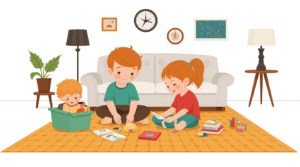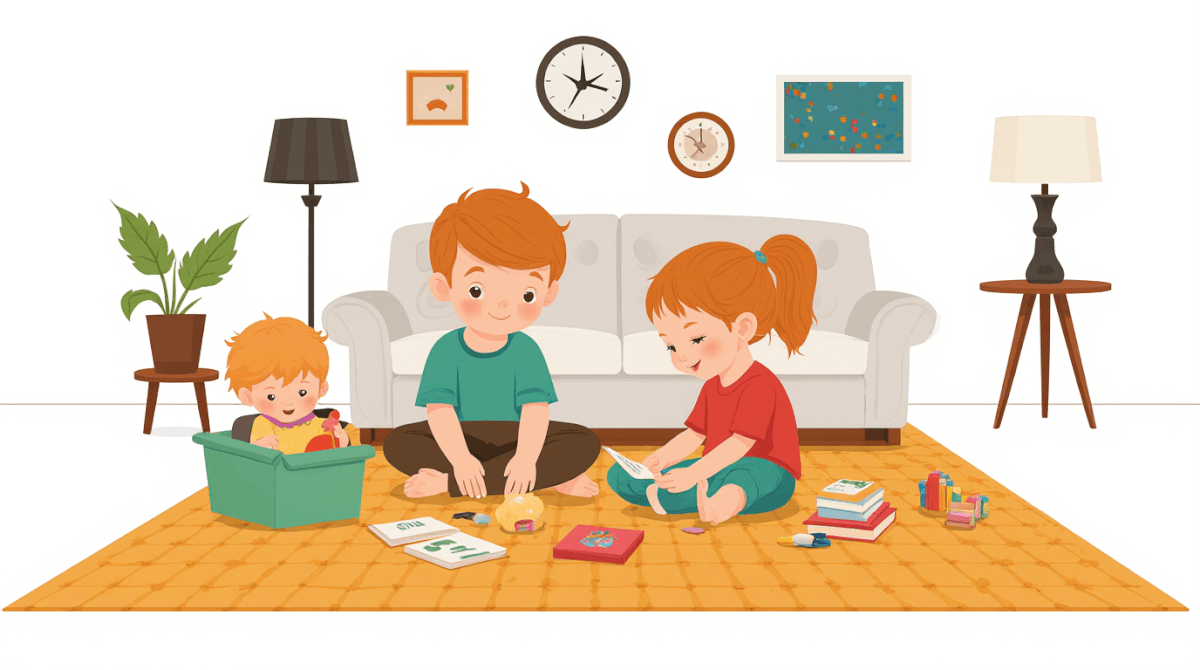
In the quiet corners of a home, the tapestry of family relationships begins to weave the threads of emotional and psychological resilience in our children. Each interaction, whether deliberate or casual, shapes the fabric of who they are becoming—how they feel about themselves, their ability to manage emotions, and their sense of safety in the world.
Let’s start with affection. When a child feels loved, they begin to understand that they are valuable and worthy. This fundamental belief is crucial for building confidence. A simple hug or a gentle pat on the back can send a powerful message of acceptance. Over time, this affectionate connection fosters an internal security that allows children to explore and take risks without fear. A child who feels loved is more likely to believe in their own worth and is better equipped to handle criticism or failure.
Consistency, too, plays a vital role. Imagine a child who knows what to expect from their parents. Breakfast at 7:30 AM, bedtime stories every night, and a predictable routine of chores and playtime. This predictability becomes a bedrock upon which the child can build their understanding of the world. It teaches them that they can trust the adults in their lives to be reliable, and this trust translates into their ability to manage their own emotions and behaviors. A consistent environment helps children develop a sense of routine, making it easier for them to navigate new and challenging situations.
Support is another cornerstone of healthy development. When parents or caregivers are present and engaged, children learn that they can rely on others for help and comfort. This emotional support during times of need builds resilience. When a child falls and scrapes their knee, a comforting parent not only helps them with the physical injury but also provides emotional reassurance. This reassurance teaches the child that it’s okay to experience setbacks, and that they are not alone in facing challenges. Over time, this support cultivates a strong emotional foundation, enabling children to approach difficulties with a positive attitude.
Structure is equally important. A well-structured environment sets clear boundaries and expectations, which are essential for a child’s psychological development. These structures teach children the importance of discipline and self-control. When a child learns to put away their toys after playtime, they begin to understand the value of responsibility and order. This sense of order extends to other areas of their life, such as homework, personal hygiene, and social interactions. Structure helps children develop a sense of purpose and direction, guiding them towards making good choices.
The interplay between these elements—affection, consistency, support, and structure—is what forms the emotional and psychological scaffolding that supports a child’s growth. A family that values and practices these elements creates an environment where children can thrive. Consider a child who returns home from school with a mix of feelings. If they know their parents will listen and provide comfort, this emotional turbulence is less daunting. A parent’s understanding and patience can validate the child’s feelings and help them process their day.
The importance of these elements extends beyond the immediate family. Cultural and social contexts also play a role in shaping a child’s emotional and psychological development. In many cultures, extended families or community members also contribute to a child’s upbringing, offering additional layers of support and structure. A grandmother who regularly visits might provide extra affection and stories that foster cultural identity, enriching the child’s emotional landscape.
In reflecting on these elements, it’s essential to recognize that while the ideal family environment supports healthy development, real-life challenges often require flexibility and adaptation. Not every interaction will be perfect, and that’s okay. The key is to maintain a commitment to creating an emotionally safe and nurturing space, even in the face of life’s unpredictability.
As we continue to navigate our roles as parents or caregivers, let us remember that our actions and interactions with our children shape their emotional and psychological well-being. By being consistent, providing support, establishing structure, and showing affection, we can help build a resilient and confident child who is equipped to face the world with courage and hope.