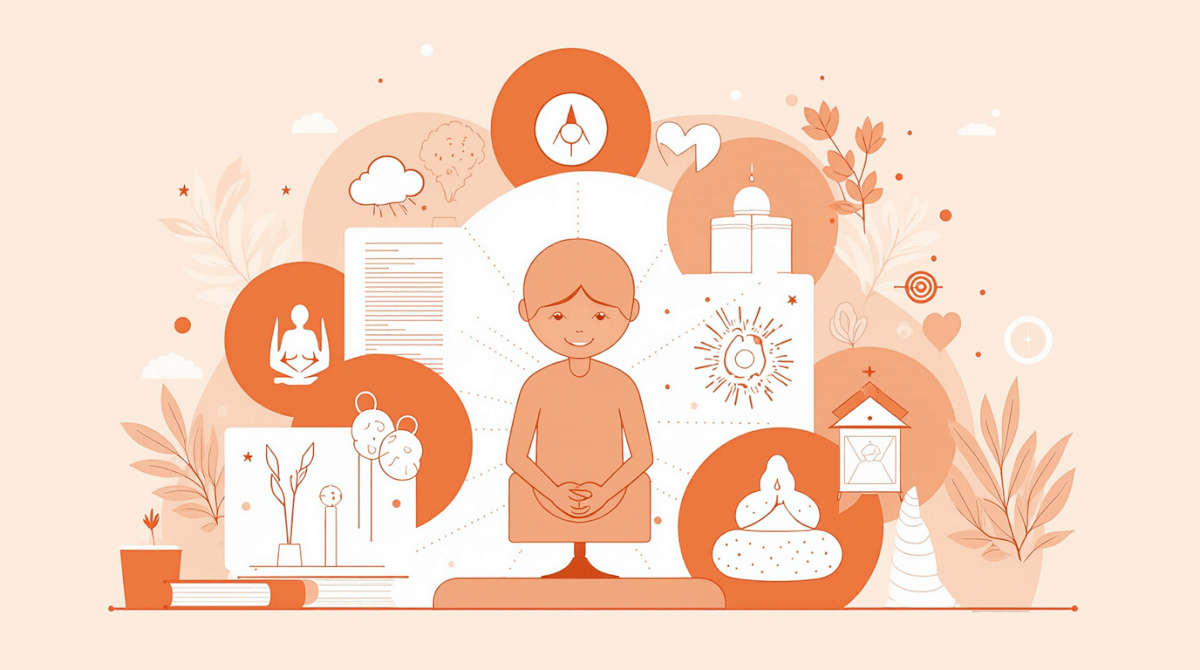
Beliefs, whether rooted in religious or spiritual traditions, play a profound role in shaping everyday reality. They are not merely abstract ideas floating in the air but deeply embedded in the fabric of daily life, influencing everything from personal decisions to interpersonal relationships and moral choices. The translation of belief into behavior is both nuanced and complex, often marked by practical tensions and contradictions.
One of the most direct ways beliefs impact daily life is through the decisions we make. Consider a person who follows a religious tradition that mandates dietary restrictions. This individual’s decision about what to eat is not just a matter of personal preference but a reflection of their belief system. Each meal becomes a ritual, a small act of faith that reinforces the values and teachings of their religion. When such beliefs conflict with modern conveniences or social pressures, practical tensions arise. Adhering to a strict dietary law might require additional preparation time, which could be seen as a burden by some but a joyful observance by others.
Religious or spiritual beliefs also shape daily routines and habits. Morning prayers, fasting periods, or regular visits to places of worship are not merely ritualistic practices; they are integral parts of an individual’s identity and daily schedule. These habits serve as reminders of one’s beliefs and responsibilities, reinforcing a sense of community and shared purpose. The integration of such practices into everyday life can sometimes lead to conflicts, especially when personal time or work commitments clash with religious obligations. An employee may find themselves struggling to adjust their work schedule to accommodate prayer times, highlighting the tension between belief and practicality.
Communication is another realm profoundly influenced by belief. Religious or spiritual beliefs often dictate how individuals perceive and interact with others. A person who believes in forgiveness might approach a conflict differently than someone who does not share that belief. In a workplace setting, this could manifest as a willingness to resolve disputes through dialogue and understanding rather than confrontation. Such behaviors can foster a more harmonious environment but may also lead to misunderstandings or tension when different belief systems intersect.
Moral choices are perhaps the most critical area where beliefs translate into behavior. Beliefs about right and wrong, justice, and compassion guide how individuals navigate complex ethical dilemmas. A person who believes in non-violence might face challenges in a society that values strength and aggression as primary virtues. Their decisions might be influenced by a deeper conviction to act with kindness and peace, even when such actions are not universally accepted. This can lead to both personal integrity and social isolation, reflecting the complex interplay between belief and action.
The process of translating belief into behavior is not always smooth; it often involves negotiation and compromise. An individual might hold deeply held religious beliefs but find that certain aspects of modern life are at odds with those beliefs. They might choose to adapt or reinterpret their beliefs to better fit the practicalities of daily life. Such compromises can be challenging, as they may require individuals to question their faith and reconcile their beliefs with their experiences. This process is crucial for maintaining a sense of coherence and integrity in one’s life.
The translation of belief into behavior is deeply intertwined with community and identity. Beliefs often form a shared language and set of values that bind people together. Participation in religious or spiritual communities provides a framework for collective action and shared purpose. This unity can also create pressures to conform to certain behaviors and values, which may not always align with individual beliefs. The tension between personal convictions and community expectations is a recurring theme in the lived experience of many individuals.
The integration of belief into everyday reality is a complex and dynamic process. It involves navigating practical tensions, shaping daily routines, influencing communication, guiding moral choices, and sometimes requiring compromise. The translation of belief into behavior is not straightforward but is essential for understanding how religion matters psychologically, socially, and culturally. While the journey of integrating belief into daily life is fraught with challenges, it also offers opportunities for personal growth, community building, and a deeper sense of meaning. The complexity of this process underscores the multifaceted nature of human experience and the enduring relevance of belief in shaping our lives.