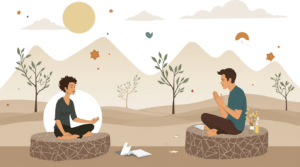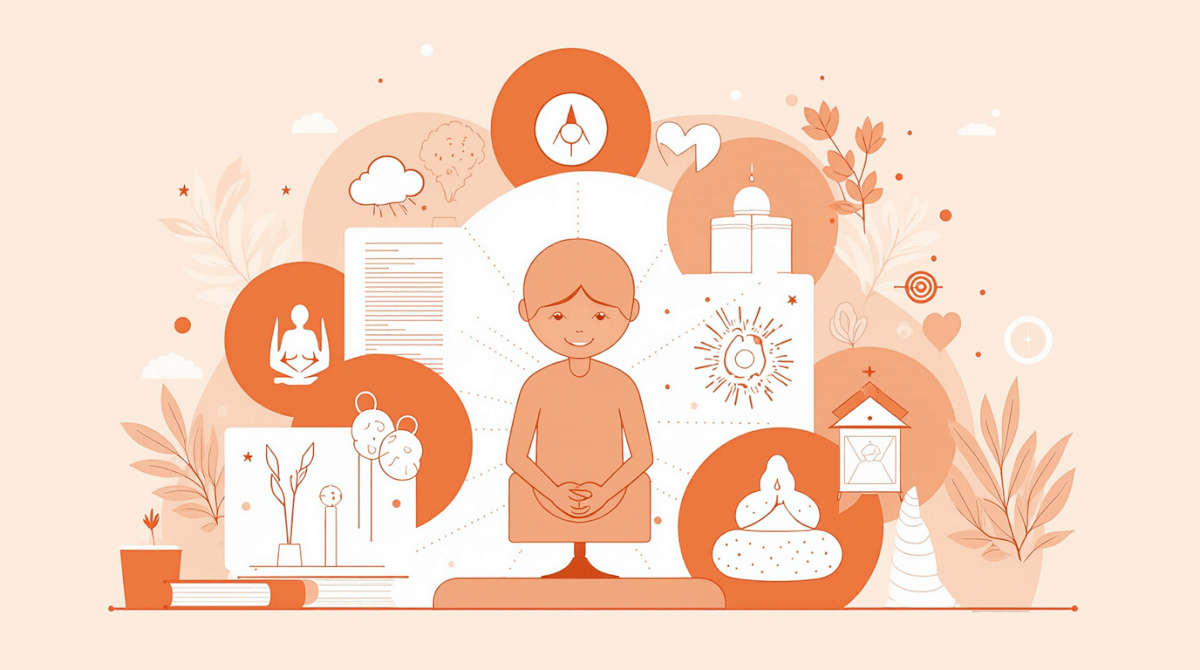
The human condition is intricately intertwined with belief, a fact that becomes glaringly apparent when examining the myriad ways these convictions manifest in everyday life. Beliefs, whether rooted in religion, spirituality, or personal philosophy, deeply influence decisions, habits, relationships, and moral choices. They shape not just our internal landscapes but also the contours of our external interactions, often acting as a compass guiding daily routines and behaviors.
Consider the act of prayer, a common practice among those who follow religious traditions. For many believers, praying is more than a ritualistic behavior—it is an expression of connection with a higher power, a source of comfort, or a means to seek guidance in making decisions. Prayer can serve as a moment of pause, a reflection on one’s actions and intentions, subtly influencing the choices made throughout the day. A person might find themselves taking a deep breath and praying before deciding whether to report a coworker’s unethical behavior, their belief system providing a moral framework that guides this choice.
Religious or spiritual beliefs can also mediate how individuals approach conflict resolution. In many communities, faith plays a significant role in shaping interpersonal dynamics. When faced with a disagreement with a friend, someone might turn to their religious texts for guidance on forgiveness and reconciliation. These teachings might lead them to choose empathy and understanding over harsh words or blame, fostering a healthier relationship. The belief in the inherent goodness of others can become a powerful force in mediating conflicts, influencing the behavior and choices made during such interactions.
Religion also impacts daily habits and routines. Morning rituals, such as reciting verses from holy books or engaging in meditation, are not just personal practices; they embody the values and beliefs of the practitioner. These rituals often serve as a reminder of one’s commitments and priorities, reinforcing a sense of purpose and direction. A person might prioritize a quiet moment of reflection before starting their day, seeing it as a way to align their actions with their spiritual beliefs.
Belief systems significantly shape the moral choices individuals make. When faced with ethical dilemmas, the principles derived from one’s faith can provide a framework for decision-making. A healthcare worker, might be guided by their religious convictions when deciding how to allocate limited medical resources during a crisis, ensuring that their actions reflect their commitment to justice and compassion.
The tension between belief and action is a common theme in everyday life. While many hold steadfast to their convictions, practical realities often necessitate compromise. This tension can manifest in various ways. An individual might struggle with the gap between what they believe and how they act, especially when societal norms or personal circumstances challenge their faith. A person who values environmental stewardship but works in an industry contributing to pollution might grapple with this contradiction, leading to internal conflict and potential shifts in behavior over time.
Beliefs also influence communication, shaping the language and tone used in conversations. The values embedded within religious or spiritual beliefs can color how individuals express themselves, whether in casual interactions or formal settings. A person might use phrases drawn from their faith when discussing personal goals or aspirations, embedding their beliefs into everyday discourse. This integration of belief into communication underscores the pervasive influence of these convictions on daily life.
Beliefs profoundly affect an individual’s sense of identity and community. Religious or spiritual affiliations often define how people see themselves and their place in society. Shared beliefs can create a sense of belonging and solidarity within communities, fostering a collective identity that influences group behaviors and interactions. Members of a religious congregation might organize charitable events or engage in community service, driven by the shared values and commitments that unite them.
Despite the profound impact of belief on daily life, it is essential to recognize the complexity and diversity within religion. Individuals may hold multiple beliefs, sometimes conflicting ones, and navigate these tensions in various ways. Doubt and uncertainty are not uncommon, as personal experiences and societal influences can challenge long-held convictions. This acknowledgment of complexity enriches our understanding of how belief systems operate in real-world contexts.
Beliefs under social pressure shape the fabric of daily life through their influence on decisions, habits, relationships, and moral choices. While they provide a framework for making sense of the world and guiding behavior, the practical realities of everyday life often introduce challenges and tensions that require negotiation. The lived experience of these beliefs demonstrates the intricate interplay between internal convictions and external actions, highlighting the dynamic nature of faith in shaping human behavior. The complexity of living according to belief is a testament to its profound impact on the human condition, a reminder of the multifaceted role that religion and spirituality play in our lives.