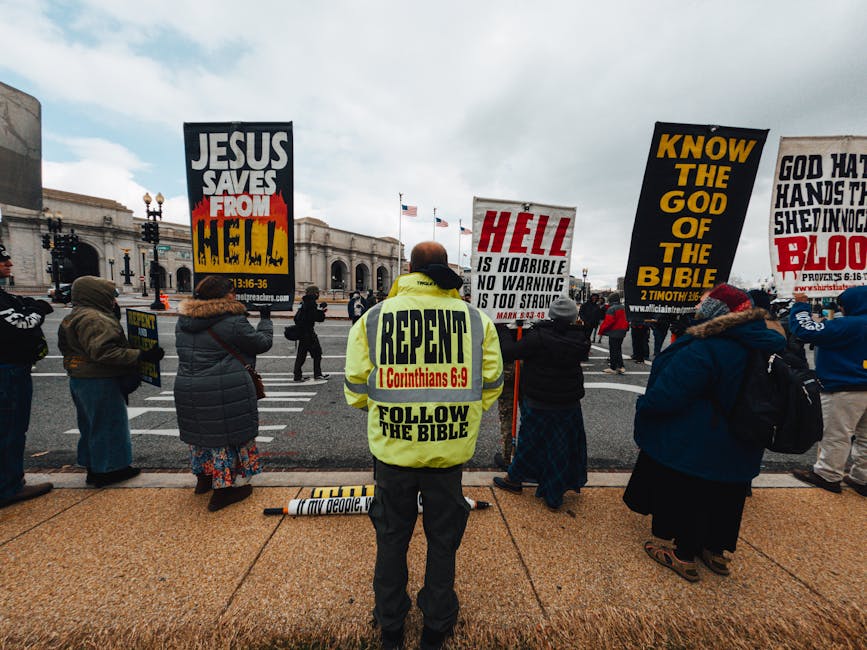
Belief, whether rooted in religion, spirituality, or personal conviction, deeply influences the fabric of our everyday lives. It shapes not just what we think but also how we act, interact with others, and navigate through the complexities of daily routines. At its core, belief serves as a compass guiding decisions and behaviors that are both practical and moral.
Consider, the routine decision-making process in morning prayers among individuals who follow various faiths. For many Christians, reciting the Lord’s Prayer is more than just a ritual; it is an act of acknowledging one’s dependence on divine will, setting intentions for the day ahead, and finding comfort through communal worship or personal reflection. This practice translates into daily habits that are rooted in spiritual beliefs but also reflect broader social norms about community cohesion and shared values.
Similarly, Muslims who observe the five daily prayers integrate their religious practices seamlessly into their everyday lives. The act of praying not only connects them to a higher purpose but also instills discipline and punctuality. This routine becomes an integral part of their identity, influencing how they prioritize tasks, manage time, and maintain personal integrity. Such habits extend beyond mere ritual; they embody the belief that every moment is sacred and must be lived with mindfulness.
In professional settings, religious or spiritual beliefs can significantly impact work ethics and interpersonal relationships. Employees who adhere to a strict Sabbath observance might choose not to engage in any business activities on Saturday evenings. This decision reflects their commitment to personal faith but also challenges the conventional expectations of continuous productivity. Such individuals must navigate the tension between maintaining their convictions and adhering to professional obligations, often leading to compromises that can enrich or strain workplace dynamics.
The conflict between belief and action is particularly evident when it comes to moral choices. A person who strongly believes in non-violence might struggle with situations where they feel compelled to defend themselves or others against an aggressor. This internal struggle underscores the complexity of translating abstract beliefs into concrete actions, especially under pressure. The individual must weigh their commitment to peaceful resolutions against practical realities and potential harm.
These moral dilemmas extend beyond personal ethics to broader societal issues such as social justice and human rights. A committed environmentalist might face challenges in an industry where profit margins are prioritized over sustainability. Their actions, driven by deep-seated beliefs about the sanctity of nature, often require significant compromises that test their resolve and impact their professional success.
The influence of belief on communication is another subtle yet powerful aspect. Conversations between believers and non-believers can be fraught with misunderstandings due to differing worldviews. Believers might inadvertently use religious language or symbols in casual discussions, which could alienate others who do not share the same beliefs. Non-believers might unintentionally dismiss or denigrate religious practices without fully understanding their significance.
Responsibility is another critical aspect where belief plays a significant role. Beliefs often compel individuals to take actions that go beyond mere compliance with legal requirements. A person deeply committed to charitable work might volunteer for community service projects even when they are not required to do so by law or professional norms. This commitment reflects their personal values and the broader social responsibilities they feel towards their community.
Belief systems profoundly shape daily choices and behaviors in ways that are both subtle and profound. They influence identity formation, routine adherence, moral decision-making, communication styles, and a sense of responsibility toward others and society at large. The journey from conviction to action is fraught with tensions between idealism and pragmatism, making the process both challenging and enriching.
The complexity of living according to belief lies in its multifaceted nature—reflecting personal values, social expectations, and existential questions about meaning and purpose. This ongoing negotiation between faith and reality underscores the dynamic interplay between internal convictions and external realities, highlighting the intricate tapestry that constitutes our lived experiences.