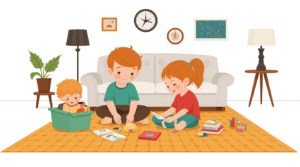
Parenting, as an intimate and intricate dance between parent and child, is filled with layers of emotions, expectations, and unspoken rules that shape not only how children behave but also their inner world. The way parents react to a child’s actions can have profound effects on their development, setting the stage for future behaviors, attitudes, and even self-perception. This essay aims to explore this complex dynamic through an introspective lens, without idealizing or prescribing specific practices.
The core of parenting is often seen as nurturing and guiding children towards becoming well-adjusted adults. Beneath this surface lies a web of psychological tensions that are both challenging and enriching for parents. One central contradiction centers on the balance between providing affection and maintaining consistency in discipline. While it is widely acknowledged that emotional support from parents fosters trust, confidence, and security in their children, excessive displays of love can sometimes backfire, leading to dependency or a lack of boundaries.
Affection plays a crucial role in child development by creating secure attachments and fostering positive self-esteem. According to attachment theory, developed by John Bowlby, close emotional bonds between parents and children are essential for healthy psychological growth (Bowlby, 1969). Children who experience consistent affection from their caregivers often develop into adults with higher levels of emotional resilience and the ability to form strong relationships later in life.
The overabundance of love can also have unintended consequences. When a child’s every need is met without boundaries or natural consequences, they may struggle with self-regulation skills. This can lead to behaviors such as tantrums when demands are not met or difficulty in understanding and accepting limits set by others. The absence of consistent discipline can result in children feeling entitled and lacking the necessary skills for managing their emotions effectively.
This tension between affection and consistency is a delicate balance that parents must navigate carefully. While it’s important to be nurturing, providing emotional support should not overshadow the need for setting boundaries and expectations. Children need to know that while they are loved unconditionally, there are also consequences for certain behaviors. This balanced approach helps children develop a healthy sense of self-worth alongside strong character traits.
Another significant contradiction in parenting lies within the realm of emotional presence versus overinvolvement. Being emotionally present means being fully engaged and attuned to your child’s needs without overwhelming them with constant attention or intervention. Emotional availability allows parents to provide guidance and support when needed while also giving children space to explore their own interests and learn from their experiences.
This balance can be difficult to achieve as well-meaning parents might inadvertently step over the line into overinvolvement. Overinvolved parenting involves excessive control, constant advice-giving, or even making decisions on behalf of the child (Garcia et al., 2015). While such actions may stem from a desire to protect and guide children, they can stifle their independence and hinder the development of critical decision-making skills.
Overinvolvement often manifests in areas like academic performance. Parents who consistently hover over their children’s schoolwork or impose strict study schedules might inadvertently create anxiety rather than encouragement. Children need room to experiment with different learning styles and discover what works best for them without constant pressure from adults. Overprotective parenting can lead to a lack of resilience, making it harder for children to navigate challenges independently.
The tension between emotional presence and overinvolvement is further complicated by the fact that each child’s needs are unique. What may be appropriate for one child could be overwhelming or restrictive for another. An extroverted child might thrive with more social interaction from their parents, whereas a shy child might need more space to develop their comfort levels gradually.
This balance requires constant adjustment and reflection on the part of the parent. It involves observing your child’s reactions and adapting your approach accordingly while maintaining open lines of communication about what feels supportive versus smothering. The challenge lies in finding that sweet spot where you are present enough to provide guidance but not so much as to stifle growth.
These contradictions extend beyond just affection and emotional presence; they encompass the broader aspects of parenting such as setting limits, enforcing consequences, encouraging independence, fostering self-reliance, and promoting healthy social interactions. Each element interacts with others in complex ways, creating a dynamic system that influences child behavior profoundly.
While consistent discipline is crucial for instilling responsibility and respect for rules, overly rigid enforcement can lead to resentment or rebellion if not balanced by understanding and empathy from the parent. Similarly, encouraging independence must be done thoughtfully; pushing too hard may result in feelings of abandonment or inadequacy, whereas allowing excessive freedom without boundaries might foster irresponsibility.
Understanding these nuances involves recognizing that there is no one-size-fits-all approach to parenting. Every situation requires a tailored response based on the unique circumstances and personalities involved. This adaptability demands not only emotional intelligence but also self-awareness—understanding one’s own reactions, motivations, and limitations in relation to those of their child.
The inner experience of parenting thus becomes a continuous process of learning, adjusting, and growing alongside your child. It is marked by moments of clarity and confusion, success and failure, joy and frustration—all contributing to the intricate tapestry that shapes both parent and child over time.
While affection, consistency in discipline, emotional presence versus overinvolvement are all critical aspects of parenting, they must be approached with nuance and adaptability. The journey through these psychological landscapes is complex but ultimately rewarding as it fosters not only behavioral development but also the nurturing of a deeper connection between parent and child—a bond that transcends mere behavior into one of mutual respect and understanding.
This exploration leaves us with an open-ended question: How can we best support our children’s holistic growth while maintaining healthy boundaries? The answer remains elusive, yet each step taken in this journey brings us closer to understanding the intricate dance of parenting.