In the intricate tapestry of parenthood, one thread stands out with particular complexity and nuance—the psychological presence that parents hold within their children’s everyday lives. This presence is not merely a physical or temporal construct but an emotional, mental, and spiritual entity that evolves through time, intertwining deeply with the very fabric of childhood experiences. The inner experience of parenting delves into the depths of affection, consistency, and emotional engagement, exploring how these elements shape both parent and child.
Affection as a cornerstone in early development is often understated yet profoundly influential. It serves as the primary means through which children learn to trust their caregivers and form secure attachments. Yet, its complexity lies not only in the expression but also in the nuanced understanding of what constitutes genuine affection. Parents may exhibit emotional warmth through both overt actions—like a hug or praise—and subtle gestures such as attentive listening during a child’s narrative. Each moment spent with a child holds potential to reinforce these bonds, making every interaction significant.
The mere presence of affection is not enough; it must be consistent and predictable for children to internalize its value effectively. Consistency in parental behavior provides stability that allows children to navigate their world more confidently. This predictability fosters resilience by reducing uncertainty and creating a sense of security. A child who consistently receives nurturing responses from parents learns to rely on these experiences, laying the groundwork for emotional regulation skills later in life.
Yet, here emerges an initial tension: while consistency is crucial, it can sometimes stifle spontaneity and individual expression if not balanced with flexibility. Children need room to explore their interests freely without fear of constant judgment or expectation. This balance between providing a stable foundation through consistent care and allowing space for exploration requires subtle navigation by parents.
Emotional presence further complicates this landscape. It involves being fully present in the moment, attuned to one’s child’s needs and feelings, rather than preoccupied with external tasks or internal thoughts. Parental emotional engagement can be seen during playtime when a parent participates wholeheartedly versus engaging superficially while scrolling through social media.
Nevertheless, maintaining high levels of emotional presence requires considerable effort from parents who must continuously manage their own emotions alongside those of their children. This duality demands self-awareness and regulation skills that are often underdeveloped in the early stages of parenthood. Parents may find themselves oscillating between moments of deep connection and periods where they feel disconnected or overwhelmed.
Emotional presence is not static; it fluctuates based on various factors such as personal stress levels, external pressures (e.g., work obligations), and individual psychological states. These variables introduce another layer of complexity into the parent-child relationship dynamics. A parent experiencing high anxiety might unintentionally project these feelings onto their child during an already emotionally charged interaction.
This interplay between parental emotions and those of children can lead to cycles of emotional dysregulation if not managed carefully. Children who sense parental stress or distress may internalize these emotions as part of their own experience, leading to heightened levels of anxiety themselves. Parents might misinterpret a child’s behaviors stemming from normal developmental stages through the lens of their current emotional state.
The challenge for parents lies in recognizing and managing this emotional interconnectedness without becoming overly reactive. Techniques such as mindfulness practices can help parents stay grounded during interactions, allowing them to respond more thoughtfully rather than reactively. Additionally, seeking support from other caregivers or professionals provides valuable insights into maintaining healthy boundaries between oneself and one’s child.
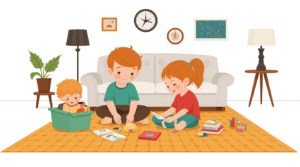
Another critical aspect of the parent-child dynamic is recognizing individual differences in temperament and emotional needs among siblings. Siblings growing up together within the same family unit often experience different levels of parental attention and interaction due to varying personalities and requirements for support. While this diversity enriches familial bonds, it also necessitates tailored approaches from parents who need to adapt their parenting styles accordingly.
One child may require more physical playtime while another thrives on intellectual stimulation through books or puzzles. Parents must learn to identify these unique preferences early in order to foster environments that support optimal growth for each sibling individually. This individualization of care requires patience and continuous observation from parents who are committed not just to meeting immediate needs but also promoting long-term well-being.
The psychological presence of parents within everyday life is a multifaceted phenomenon involving affection, consistency, emotional engagement, and adaptability in response to unique familial circumstances. While these elements contribute significantly to shaping positive developmental outcomes for children, they simultaneously present ongoing challenges that require thoughtful navigation by caregivers. By acknowledging both the strengths and limitations inherent in this role, parents can work towards creating harmonious environments where mutual respect and understanding flourish between generations.
The journey through such complexities offers not only insights into better parenting practices but also deeper reflections on personal growth as individuals navigate these intricate relationships. As we continue to explore these nuances, it becomes clear that the true essence of parenthood lies less in following prescribed steps or achieving specific milestones than in embracing the unpredictability and richness inherent in each day-to-day interaction with our children.
Related Reading
– Becky A. Bailey – Conscious Discipline
– Jessica Lahey – The Gift of Failure