The intricate dance of parenthood is both a sanctuary and a crucible, where the subtle interplay between affection, consistency, and emotional presence shapes a child’s sense of security—a foundation upon which their self-worth, resilience, and identity are built. This reflection delves into the multifaceted experience of parenting, exploring how these elements coalesce to mold not only external behaviors but also internal landscapes.
Affection, a ubiquitous yet elusive force in daily interactions, serves as the bedrock for emotional security. It is more than just physical touch or verbal affirmations; it encompasses a deep, unspoken understanding that one’s presence and care are essential. The child learns to trust their environment when they experience affection consistently across various life scenarios—during moments of triumph and failure alike. This consistency in showing love helps the child internalize feelings of worthiness, fostering an inner security that acts as a buffer against external adversities.
Yet, beneath this seemingly stable foundation lies a complex interplay between overt displays of affection and more nuanced forms of emotional presence. While overt affection is critical for establishing initial bonds, it often fails to address deeper psychological needs if not accompanied by genuine empathy and understanding. Emotional presence, involves being fully attuned to the child’s emotions without necessarily offering immediate solutions or reassurances. This subtle yet profound form of engagement teaches children how to navigate their own feelings effectively.
The tension between these two modes—overt affection versus emotional presence—emerges as a central theme. While overt affection provides comfort and validation, it can sometimes feel insincere if not rooted in genuine care. Emotional presence, though more challenging to articulate, offers the child invaluable skills for self-awareness and emotional regulation. Both are indispensable but require a delicate balance to be truly effective.
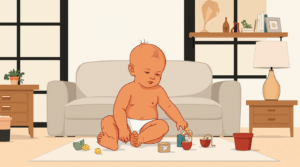
This balancing act is complicated by the varying developmental stages of children. Infants, thrive on physical touch and immediate responses from caregivers; their sense of security is heavily dependent on these overt displays. As children grow older, they begin to internalize emotional messages, making them increasingly sensitive to non-verbal cues and subtle shifts in tone or body language.
This shift introduces another layer of complexity: the challenge of transitioning from providing constant reassurance to allowing autonomy while maintaining a secure base. The parent must learn when to step back, fostering independence without undermining the child’s sense of safety. This nuanced approach requires immense emotional intelligence and adaptability on both parts—parents and children alike.
Consistency plays an equally vital role in this dynamic. Irregular patterns or sudden shifts can create confusion and insecurity, even if these changes are for a good reason. When parents must go through periods of work-related stress that affect their availability, they must communicate openly about why things have changed while maintaining a commitment to regular check-ins and quality time. This consistency in communication becomes a cornerstone of emotional security.
The notion of “consistency” itself is not without its paradoxes. While stability provides comfort, too much rigidity can stifle creativity and adaptability. The parent must find a middle ground where they adhere to established routines while also allowing for flexibility when necessary. This balance requires continuous reassessment based on both internal changes within the family unit and external factors influencing their dynamic.
The importance of consistency extends beyond mere behavior patterns; it encompasses emotional responses as well. Children need predictable reactions from adults, especially during challenging times or moments of crisis. When parents consistently respond with understanding and support, they create a safe space for children to explore their emotions without fear of judgment. Inconsistent responses can lead to confusion and increased anxiety.
Yet, the complexity does not end here. The very nature of consistency raises questions about its limits. While it is crucial in building trust, excessive reliance on external validation through consistent behavior can hinder personal growth. Children need opportunities to develop problem-solving skills and learn from their mistakes without constantly seeking parental approval or reassurance.
This tension between fostering independence while maintaining security forms another critical aspect of the parenting experience. It requires parents to strike a balance between encouraging autonomy and providing guidance when necessary. This dynamic is particularly challenging during transitional periods, such as when children enter school or navigate new social environments.
The psychological landscape of these transitions becomes even more intricate when considering cultural factors. Different societies have varying expectations regarding parental roles and responsibilities, which can influence how parents approach issues like discipline, communication styles, and emotional expression. Navigating these differences requires a deep understanding not only of one’s own values but also those of the broader community.
While affection, consistency, and emotional presence are essential components in shaping a child’s sense of security, they exist within a complex web of contradictions that challenge even the most experienced caregivers. The journey through this intricate terrain is marked by constant learning and adaptation—each step bringing new insights into the multifaceted nature of parenthood.
The ongoing process of balancing overt displays with deeper emotional engagement, maintaining consistent yet flexible practices, and navigating cultural nuances all contribute to creating a secure environment for children. These elements do not provide a conclusive resolution but rather serve as ongoing reflections on the ever-evolving landscape of parental care. The true essence lies in the journey itself—each moment an opportunity to deepen understanding and strengthen bonds.
Related Reading
– Lawrence J. Cohen – Playful Parenting
– Ross W. Greene – The Explosive Child